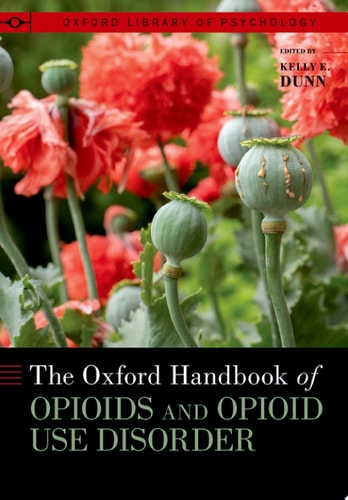
The Oxford Handbook of Opioids and Opioid Use Disorder (Oxford Library of Psychology)
0
0
As an Amazon Associate and affiliate partner, Menrva Books earns from qualifying purchases. Learn more
Author Description
Opioids have played a prominent role in society for centuries and have been lauded for both their analgesic and euphoric qualities by cultures throughout the world. The advent of medical and pharmaceutical sciences in the 20th century ushered in a wide variety of different commercial opioid products that were designed to maximize their therapeutic potential. As the use of opioids increased, a corresponding need emerged to understand more about how opioids exert their effects in the body and brain; the consequences of opioid use regarding physical dependence, withdrawal, and craving; how we might best treat opioid use disorder (OUD) and address risk for opioid-related overdose; and how opioids may intersect with other clinical conditions to produce unique challenges.Edited by Kelly E. Dunn, The Oxford Handbook of Opioids and Opioid Use Disorder synthesizes research across the spectrum, and establishes a foundational knowledge regarding historical and current epidemiological trends, neurobiological and genetic contributors to opioid effects and OUD, and core elements of opioid use such as withdrawal and craving. It provides specific information and guidance regarding opioid treatment paradigms, including chapters on specific pharmacotherapies as well as treatment approaches, and discusses considerations for special clinical populations. An overview of these respective issues is provided across 38 chapters, which outline the history and science of these topics alongside clinical considerations and case examples.Written by expert bench scientists, epidemiologists, clinical trial interventionists, medical practitioners, and harm reduction specialists, this handbook will serve as a comprehensive guide for practitioners, policymakers, students, and researchers who wish to achieve a better understanding of the complex world of opioid and OUD practice and science.
Menrva's Summary
THE THESIS
This handbook investigates the multifaceted nature of opioid use, examining the intersection of neurobiology, clinical practice, and public health policy to address the global crisis of opioid use disorder. Edited by Kelly E. Dunn, the volume compiles contributions from bench scientists, epidemiologists, and medical practitioners to provide a comprehensive framework for understanding the physiological and psychological mechanisms of opioids. The text synthesizes current research on addiction, withdrawal, and treatment paradigms, offering a structured approach to managing opioid-related clinical challenges. By bridging the gap between laboratory science and bedside intervention, the book establishes a standardized knowledge base for professionals and students alike.
THE SCOPE MAP
What You Will Find
- Historical and current epidemiological trends regarding global opioid consumption.
- Neurobiological and genetic factors contributing to physical dependence and craving.
- Evidence-based pharmacotherapies and clinical treatment approaches for opioid use disorder.
- Specialized considerations for diverse clinical populations and harm reduction strategies.
THE AUTHORITY PERSPECTIVE
Experts identify this handbook as a foundational resource for clinicians and researchers seeking a rigorous, multi-disciplinary overview of opioid science. Readers frequently note the academic density of the prose, which serves as a comprehensive reference for those navigating the complexities of addiction medicine and policy.
Page Count:
1072
Publication Date:
2024-01-01
Publisher:
Oxford University Press
ISBN-10:
019761843X
ISBN-13:
9780197618431
Psychology
Science
Medicine
Early Childhood
Public Health
Pharmacology
Addiction Recovery
Addiction
Schools & Teaching
Community Tags
Similar Books