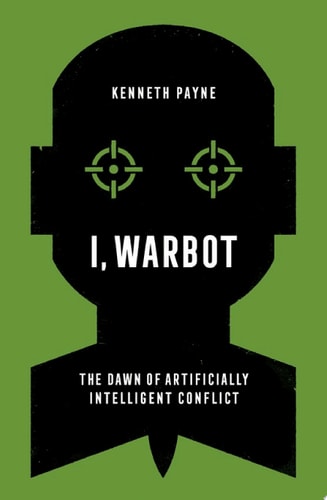
I, Warbot: The Dawn of Artificially Intelligent Conflict
0
0
As an Amazon Associate and affiliate partner, Menrva Books earns from qualifying purchases. Learn more
Author Description
Artificial Intelligence is going to war. Intelligent weapon systems are here today, and many more are on the way tomorrow. Already, they're reshaping conflict--from the chaos of battle, with pilotless drones, robot tanks and unmanned submersibles, to the headquarters far from the action, where generals and politicians use technology to weigh up what to do. AI changes how we fight, and even how likely it is that we will. In battle, warbots will be faster, more agile and more deadly than today's crewed weapons. New tactics and concepts will emerge, with spoofing and swarming to fool and overwhelm enemies. Strategies are changing too. When will an intelligent machine escalate, and how can it be deterred? Can robots predict the future? And what happens to the 'art of war' as machines themselves become creative? Autonomous warfare makes many people uneasy. An international campaign against 'killer robots' hopes to ban AI from conflict. But the genie is out--AI weapons are too useful for states to outlaw. Still, crafting sensible rules for warbots is possible. This fascinating book shows how it might be done.
Menrva's Summary
THE THESIS
This book investigates the transformative impact of artificial intelligence on modern warfare and the urgent necessity of establishing regulatory frameworks for autonomous weapon systems. Kenneth Payne, a scholar in the field of defense studies, draws upon current technological developments and strategic military theory to analyze how AI-driven systems alter the speed, lethality, and decision-making processes of contemporary conflict. He argues that while the proliferation of autonomous weapons is inevitable due to their tactical utility, the international community must prioritize the development of sensible rules to govern their deployment and escalation potential.
THE SCOPE MAP
What You Will Find
- Analysis of current autonomous technologies including drones, robot tanks, and unmanned submersibles.
- Examination of strategic shifts in military command, control, and deterrence theory.
- Evaluation of the ethical and legal arguments surrounding the international campaign to ban killer robots.
- Exploration of the future of tactical innovation, specifically regarding swarming and spoofing capabilities.
THE AUTHORITY PERSPECTIVE
Experts in defense and security studies recognize this work as a clear-eyed assessment of the intersection between emerging technology and traditional military doctrine. Readers frequently note the balance between technical detail and accessible prose, making it a valuable resource for those interested in the future of global security.
Page Count:
324
Publication Date:
2021-01-01
Publisher:
Oxford University Press
ISBN-10:
0197644104
ISBN-13:
9780197644102
History
Military
Weapons
Trades & Technology
Military History
Warfare
Technology
Technology & Engineering
Espionage
International relations
Community Tags
Similar Books