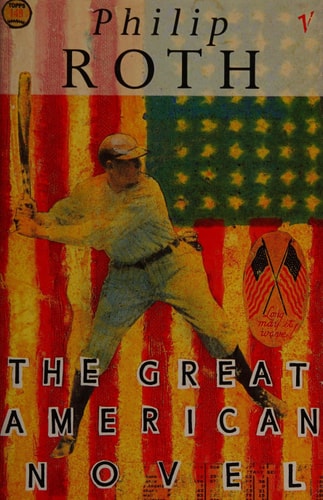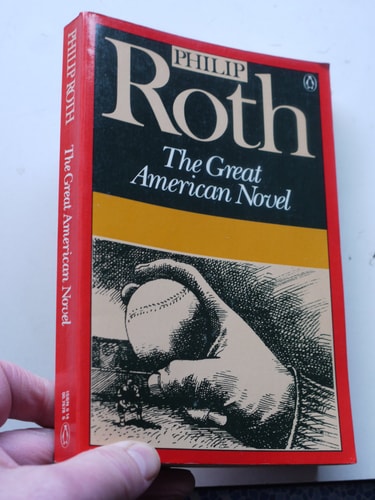
The Great American Novel
0
0
As an Amazon Associate and affiliate partner, Menrva Books earns from qualifying purchases. Learn more
Author Description
Gil Gamesh, the only pitcher who ever literally tried to kill the umpire. The ex-con first baseman, John Baal, "The Babe Ruth of the Big House," who never hit a home run sober. If you've never heard of them—or of the Ruppert Mundys, the only homeless big-league ball team in American history—it's because of the Communist plot, and the capitalist scandal, that expunged the entire Patriot League from baseball memory.In this ribald, richly imagined, and wickedly satiric novel, Roth turns baseball's status as national pastime and myth into an occasion for unfettered picaresque farce, replete with heroism and perfidy, ebullient wordplay and a cast of characters that includes the House Un-American Activities Committee.
Menrva's Summary
THE PULSE
The discovery of a forgotten, disgraced baseball league serves as the catalyst for a sprawling investigation into a national conspiracy.
The narrator attempts to reconstruct the history of the Ruppert Mundys, a homeless baseball team erased from public record due to a complex web of political and corporate malfeasance. The protagonist navigates a world defined by the paranoia of the Cold War era, where the boundaries between athletic achievement and ideological warfare blur. The narrative framework utilizes a mock-historical approach, blending factual references with absurd, picaresque events to challenge the sanctity of American myths. The primary opposition manifests as a combination of institutional censorship and the inherent instability of the characters themselves.
INSIDE THE PAGES
- Mock-historical documentation of the defunct Patriot League
- Picaresque narrative structure
- Satirical treatment of the House Un-American Activities Committee
- Use of unreliable narrators and fragmented testimony
- Integration of baseball lore with political conspiracy
- Stylized, ebullient prose and wordplay
- Exploration of the intersection between sports and national identity
- Farcical character archetypes
THE COLLECTIVE ECHO
Discussion often centers on the novel's aggressive use of farce to dismantle the romanticized image of professional baseball. Readers frequently highlight the contrast between the book's high-energy, comedic tone and its underlying critique of mid-century American political paranoia. Critics often note the author's commitment to linguistic playfulness, which serves to emphasize the absurdity of the central premise. The work is frequently analyzed for how it balances character-driven chaos with a structured, albeit satirical, commentary on historical erasure. Many readers appreciate the book for its refusal to treat the national pastime with traditional reverence, opting instead for a chaotic and irreverent exploration of institutional corruption.
Page Count:
400
Publication Date:
1985-09-03
Publisher:
Penguin Books
ISBN-10:
0140076786
ISBN-13:
9780140076783
Humor
Historical Fiction
Sports
Satire
Scandals
Baseball Teams
Sports
Baseball
Literary
Humor & Satire
Genre Fiction
American