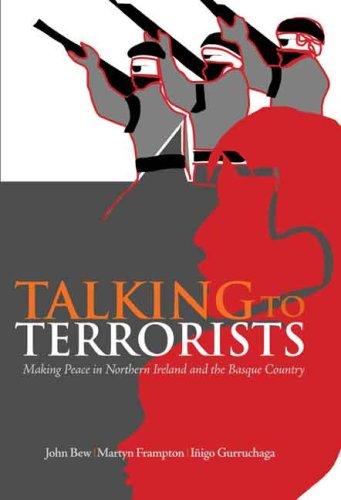
Talking to Terrorists
0
0
As an Amazon Associate and affiliate partner, Menrva Books earns from qualifying purchases. Learn more
Author Description
Northern Ireland's peace agreement, which put an end to IRA aggression, has been widely admired as a model of conflict reolution... Many now believe that intelligence agencies should follow the lessons of Ulster in their efforts at brokering peace. Yet two difficult questions remain: has history provided us with a clear picture of Northern Ireland's peace process, and does the 'talking cure' work with all democracies? The authors present a history of Northern Ireland's transition from aggression to peace, but also demonstrates how these events developed quite differently than many proponents of the Northern Ireland model believe. They then contrast their findings against incidents in Spain's Basque country during the same period. The authors point to a range of variables at play in the Ulster negotiations, such as the selection of state representatives, the information provided by intelligence agencies, the wielding of hard power, and the wider democratic process. Above all, they draw a line between talking to terrorists who believe their strategy is succeeding and making overtures to those who realize their aims are no longer attainable through violent means
Menrva's Summary
THE THESIS
This book investigates whether the widely admired Northern Ireland peace agreement offers a transferable model for conflict resolution, particularly concerning negotiations with terrorist groups. John Bew, drawing on extensive historical analysis, examines the complexities of Northern Ireland's transition from aggression to peace, challenging common perceptions of the process. The work contrasts these events with the Basque country's experiences in Spain during the same era, highlighting crucial variables such as intelligence agency input, the use of state power, and the broader democratic context. Ultimately, the book distinguishes between engaging with groups whose violent strategies appear successful and those who recognize the futility of further conflict.
THE SCOPE MAP
- A detailed history of Northern Ireland's peace process.
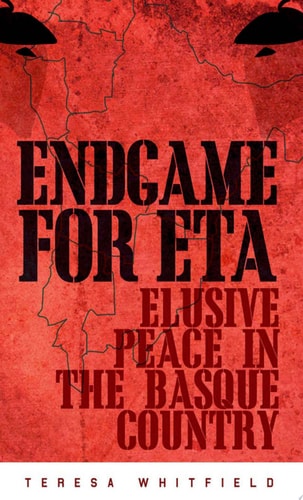
- A comparative analysis of conflict resolution in Spain's Basque country.
- Examination of key variables in negotiations: intelligence, hard power, democratic process.
- Distinction between negotiating with 'successful' and 'unsuccessful' terrorist groups.
- Critique of the 'talking cure' as a universal solution for democracies.
THE AUTHORITY PERSPECTIVE
The book is presented as a critical examination of conflict resolution models, particularly questioning the universal applicability of the Northern Ireland peace process. It aims to provide a more nuanced historical account than commonly accepted, contrasting it with other international examples. The work appears to be geared towards an audience interested in political science, history, and international relations, offering a detailed analysis of negotiation strategies.
Page Count:
327
Publication Date:
2009-01-01
ISBN-10:
0231154186
ISBN-13:
9780231154185
Politics
History
Non-Fiction
Conflict Resolution
Community Tags
Similar Books