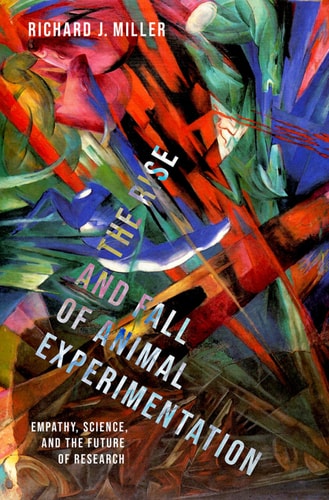
The Rise and Fall of Animal Experimentation: Empathy, Science, and the Future of Research
0
0
As an Amazon Associate and affiliate partner, Menrva Books earns from qualifying purchases. Learn more
Author Description
Every year, hundreds of millions of animals are used in the service of biomedical research, despite the risk of extreme cruelty to these animal subjects. The expansion of the pharmaceutical industry and university research funding rapidly normalized its practice. What exactly are these experiments supposed to achieve from the scientific point of view and how effective are they? Working scientists answer these questions by saying that their research is absolutely necessary if we are to develop new therapies for human diseases. But is this really the case? Written by a scientist with over 40 years of laboratory experience, The Rise and Fall of Animal Experimentation critically examines this assumption and asks whether it is true that animal-based research achieves its aims and, if so, how often this occurs and if there are alternatives to performing animal-based science. The book takes readers through the history of animal experimentation: its early beginnings in antiquity, how it advanced in the seventeenth century during the Scientific Revolution until the present day, and explores the diverse scientific, theological, and philosophical influences that formed the basis for these ideas about animal-based science. Referencing developments in various fields including stem cell biology, genetic sequencing, and live imaging, the book describes the scientific advancements that bring the value of animal experimentation into question and encourages biomedical research to consider more anthropocentric paradigms that reflect the entire spectrum of human diversity.
Menrva's Summary
THE THESIS
This book investigates the scientific validity and ethical justification of animal-based research in the context of modern biomedical advancements. The author, a scientist with four decades of laboratory experience, evaluates the historical trajectory of animal experimentation from antiquity to the present. By analyzing the efficacy of these practices against contemporary technological alternatives, the text argues for a shift toward more anthropocentric research paradigms that better reflect human biological diversity.
THE SCOPE MAP
What You Will Find
- Historical analysis of animal experimentation from antiquity through the Scientific Revolution to the modern era.
- Critical evaluation of the efficacy of animal models in developing human therapies.
- Examination of scientific, theological, and philosophical influences on research practices.
- Overview of modern alternatives including stem cell biology, genetic sequencing, and live imaging.
THE AUTHORITY PERSPECTIVE
Experts recognize this work as a significant contribution to the debate on laboratory ethics, particularly due to the author's extensive professional background. The text is noted for its ability to bridge the gap between complex scientific methodology and broader philosophical inquiry.
Page Count:
301
Publication Date:
2023-01-01
Publisher:
Oxford University Press
ISBN-10:
0197665772
ISBN-13:
9780197665770
Philosophy
History
Science
Ethics
Biomedical Research
Medicine
Earth Sciences
Taxonomy
Community Tags
Similar Books