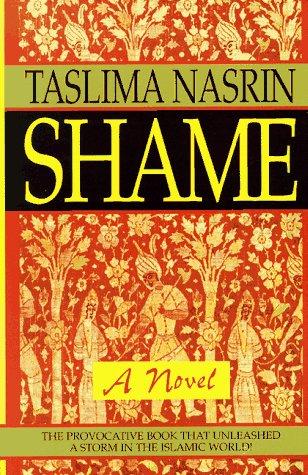
Shame
0
0
As an Amazon Associate and affiliate partner, Menrva Books earns from qualifying purchases. Learn more
Author Description
The animosity and bloodletting between Muslim and Hindu extremists on the Indian subcontinent are centuries old. But when the 450-year-old Babri mosque in Ayodhya (southeast of Delhi) was destroyed by Hindu fundamentalists in 1992, it let loose a worldwide wave of Muslim reprisals against all Hindus - a reign of terror that extended even to Bangladesh's small Hindu community. These incidents form the background to Taslima Nasrin's explosive and courageous novel, Shame (Lajja in Bengali), describing the nightmarish fate of one family. Not since Salman Rushdie's Satanic Verses has a book provoked such mob violence, public outcries, and calls for the author's death. Following the initial appearance of Shame in Bangladesh, Dr. Nasrin was physically attacked and made the object of hate campaigns. Her book so angered Muslim leaders that they placed her under a fatwa, or holy judgment, offering thousands of dollars to anyone who would kill her. Dr. Nasrin went into hiding until, with the aid of American and European Union authorities, she was offered asylum in Sweden, where she currently lives. The fatwa, however, remains in effect. The novel's title, Lajja, bespeaks the author's shame at human degradation, her shame both for a government which could not protect the Hindu minority, and for her fellow citizens. It is the indictment of a nation - indeed, an entire religion. Dr. Nasrin calls Shame the "testament" of a writer determined, despite the danger she faces, to speak out in favor of Islamic reform, religious tolerance, and freedom of expression, and against Muslim extremism and other forms of fanaticism.
Menrva's Summary
THE PULSE
The destruction of a centuries-old mosque ignites a wave of religious violence that threatens to consume a single family. The novel explores the nightmarish fate of a Hindu family caught in the crossfire of escalating animosity between Muslim and Hindu extremists on the Indian subcontinent, following the 1992 demolition of the Babri mosque. The narrative details the ensuing reprisals and the terror that extends even to Bangladesh's small Hindu community, highlighting the author's shame at human degradation and governmental failure to protect its minorities.
INSIDE THE PAGES
- Depicts the historical context of Muslim and Hindu extremist conflict.
- Focuses on the personal tragedy of one family amidst widespread violence.
- Illustrates the impact of religious fundamentalism on ordinary lives.
- Explores themes of religious tolerance and freedom of expression.
- Critiques Islamic reform and condemns religious fanaticism.
- Written from the perspective of a writer facing severe repercussions for her work.
- The novel's original Bengali title is 'Lajja'.
THE COLLECTIVE ECHO
Shame (Lajja) is described as an explosive and courageous novel that has provoked significant controversy, including mob violence, public outcry, and calls for the author's death, mirroring the reaction to Salman Rushdie's 'The Satanic Verses'. Following its publication in Bangladesh, author Taslima Nasrin faced physical attacks and hate campaigns, leading to a fatwa being placed on her life. The novel is seen as an indictment of a nation and a religion, serving as a testament to the author's determination to advocate for Islamic reform, religious tolerance, and freedom of expression despite facing extreme danger.
Page Count:
302
Publication Date:
1997-01-01
ISBN-10:
1573921653
Literary Fiction
Historical Fiction
Fiction
Social Commentary
Political fiction