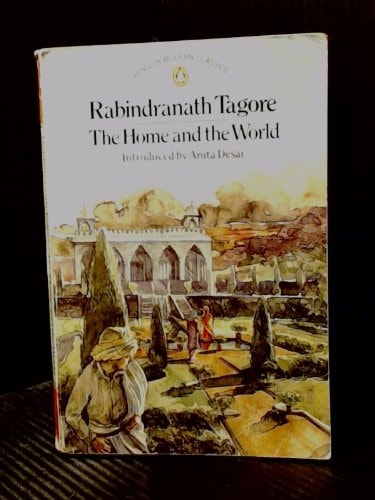
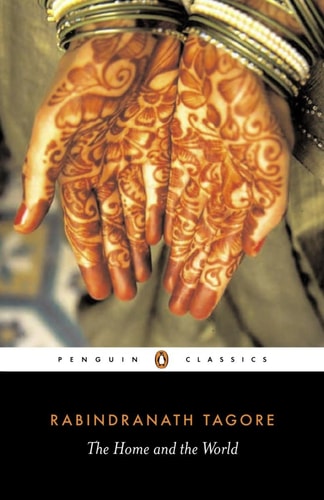
The Home and the World
0
0
As an Amazon Associate and affiliate partner, Menrva Books earns from qualifying purchases. Learn more
Author Description
Set in Bengal at the turn of the century, this novel is a story of the struggle between the traditional and the modern, the home and the world. It is a story of a woman, Bimala, who is torn between her husband, Nikhil, who represents the traditional and the moderate, and Sandip, a charismatic and radical nationalist leader who represents the modern and the extreme. The novel is a powerful exploration of the complexities of human relationships and the impact of political movements on the individual.
Menrva's Summary
THE PULSE
A man’s commitment to the Swadeshi movement forces his wife to choose between traditional domesticity and the allure of the modern political world. Nikhil, a wealthy landowner, encourages his wife, Bimala, to step out of the seclusion of the home and engage with the world outside. However, the arrival of Sandip, a charismatic and radical nationalist leader, introduces a volatile ideological conflict that threatens to dismantle their marriage and household. The narrative unfolds through a non-linear, shifting perspective, with each of the three central characters providing their own account of the unfolding events. The story operates within the rigid social constraints of early 20th-century Bengal, where the tension between tradition and modernity serves as the primary catalyst for the characters' internal and external struggles.
INSIDE THE PAGES
- Shifting first-person perspectives from three distinct narrators
- Exploration of the Swadeshi movement and its socio-political impact
- Examination of the tension between traditional gender roles and modern autonomy
- Philosophical discourse on nationalism versus humanism
- Intimate psychological character studies
- Symbolic representation of the 'Home' versus the 'World'
- Critique of radicalism and political manipulation
- Atmospheric depiction of early 20th-century Bengali domestic life
THE COLLECTIVE ECHO
Discussion often centers on the complex moral ambiguity of the characters, particularly the manipulative nature of Sandip versus the idealistic, sometimes detached, stance of Nikhil. Readers frequently highlight the effectiveness of the shifting narrative structure in revealing the internal contradictions of each protagonist. Critics often note the book's ability to mirror the broader political anxieties of the Indian independence movement through the lens of a personal domestic drama. The prose is frequently praised for its philosophical depth and its nuanced portrayal of the psychological toll of political radicalization. Many readers find the exploration of Bimala’s awakening to be a significant focal point for understanding the limitations placed upon women during this historical period.
Page Count:
208
Publication Date:
1986-01-07
Publisher:
Penguin Classic
ISBN-10:
0140079610
ISBN-13:
9780140079616
Literary
Historical
classic
Political
Indian
Community Tags
Other Editions(19)
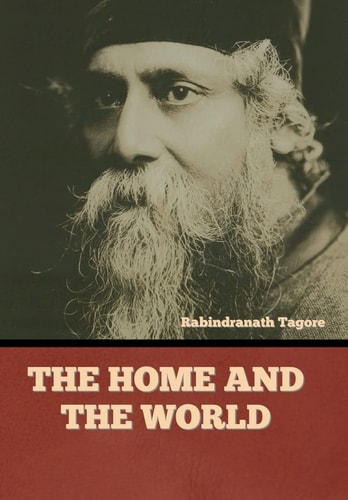
Indoeuropeanpublishing.com
2022
Default edition
Amazon Digital Services LLC - KDP Print US
2020
Independently Published
2020

Independently Published
2019

Amazon Digital Services LLC - KDP Print US
2019
CreateSpace Independent Publishing Platform
2017
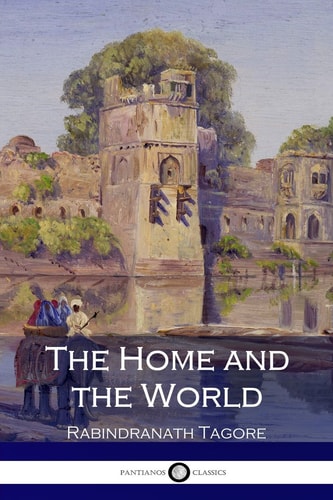
Createspace Independent Publishing Platform
2016
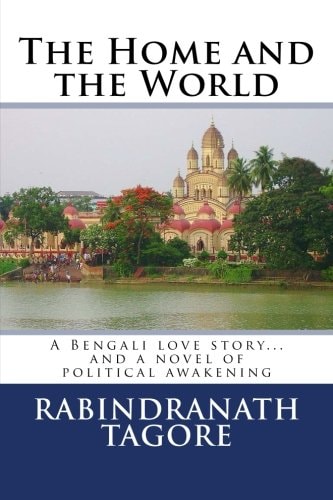
CreateSpace Independent Publishing Platform
2013

CreateSpace Independent Publishing Platform
2013

CreateSpace Independent Publishing Platform
2013
CreateSpace Independent Publishing Platform
2013
CreateSpace Independent Publishing Platform
2010

CreateSpace Independent Publishing Platform
2010
National Geographic Books
2005

Penguin Books
2005

eBooksLib
2005

EBooksLib
2005

Doaba Publications
2002
Penguin Classic
1986
Similar Books





Reader Comments
Share Your Thoughts
No comments yet. Be the first to share your thoughts!