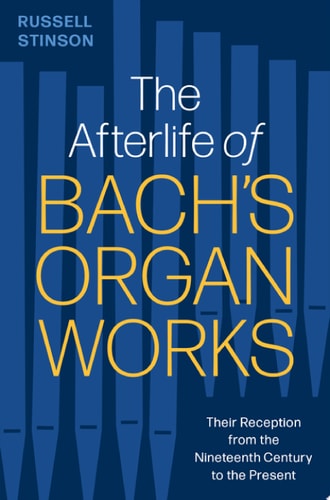
The Afterlife of Bach's Organ Works: Their Reception from the Nineteenth Century to the Present
0
0
As an Amazon Associate and affiliate partner, Menrva Books earns from qualifying purchases. Learn more
Author Description
The music of J. S. Bach continues to be revered and celebrated centuries after his death. Its timelessness can be attributed to masterful musical engineering combined with profound expressivity. In other words, Bach's unique art may represent the pinnacle of contrapuntal technique, but it is just as amazing for its depth of emotion. Bach's compositions remain an indispensable part of the classical-music canon today.The Afterlife of Bach's Organ Works explores the critical impact made on posterity by Bach's organ music. It concerns a diverse group of musicians and non-musicians alike--some famous, some forgotten--who in one way or another became champions of these compositions. These individuals performed the music; edited it for publication; promoted it by means of books, articles, and reviews; transcribed it for other media; taught it to their pupils; shared it with their family and friends; and incorporated it into the soundtracks of their motion pictures. They ensured its "afterlife."In five chapters, organist and Bach expert Russell Stinson traces the historical afterlife of Bach's organ music from the early nineteenth century--the era of the so-called Bach revival--to the present day. Engagingly written and containing a wealth of information previously unavailable in English, the book is a history of performance practice, an aesthetic history of musical taste, and a social history. Each chapter tells the story of how and why Bach's organ works have stood the test of time.
Menrva's Summary
THE THESIS
How did the organ compositions of J. S. Bach maintain their cultural prominence and influence from the nineteenth-century revival to the modern era? Russell Stinson, a professional organist and established Bach scholar, utilizes archival research and historical analysis to examine the reception history of these works. He argues that the enduring status of Bach's organ music is not merely a product of the compositions themselves, but the result of a sustained effort by diverse generations of performers, editors, and educators who actively championed the repertoire.
THE SCOPE MAP
What You Will Find
- Historical analysis of the nineteenth-century Bach revival and its impact on organ performance practice.
- Examination of the roles played by editors, transcribers, and educators in disseminating Bach's music.
- Case studies of musicians and cultural figures who integrated Bach's organ works into broader social and media contexts, including film soundtracks.
- A comprehensive overview of the aesthetic evolution of musical taste regarding contrapuntal organ music.
THE AUTHORITY PERSPECTIVE
Experts recognize this work as a significant contribution to the field of musicology, specifically for its focus on reception history rather than purely theoretical analysis. Scholars frequently note the depth of the archival research and the clarity with which Stinson documents the transition of Bach's works from specialized repertoire to canonical status.
Page Count:
208
Publication Date:
2023-01-01
Publisher:
Oxford University Press
ISBN-10:
0197680437
ISBN-13:
9780197680438
Music
Biography
Criticism history
Music History
Cultural History
Community Tags
Similar Books