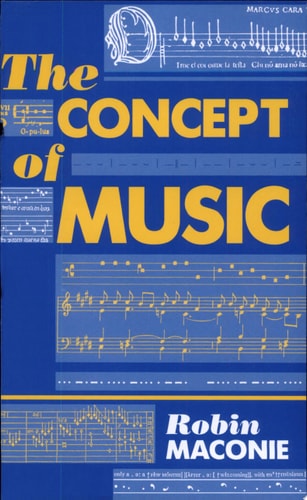
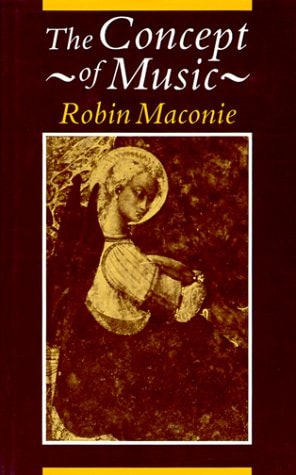
The Concept of Music
0
0
As an Amazon Associate and affiliate partner, Menrva Books earns from qualifying purchases. Learn more
Author Description
What is music for? How does it work? What can it teach us? Intuitively, we feel there must be answers to such questions, but they tend to be scattered throughout a wide range of different areas of study, from acoustics to music history, from psychology to composition. In this brilliant and thought-provoking book, Maconie seeks the answers to these and other fundamental questions about music, integrating music and appropriate scientific research in a new evaluation of his topic. In so doing, he argues passionately for a reappraisal of music, not as mere entertainment, but as something basic to our experience of listening and communicating in sound, and an art which has exerted a profound influence on society.
Menrva's Summary
THE THESIS
This book investigates the fundamental purpose and functional mechanics of music, questioning how sound shapes human communication and societal development. Robin Maconie, an established musicologist and composer, synthesizes diverse fields including acoustics, psychology, and music history to construct a unified framework for understanding musical experience. He argues that music serves as a primary cognitive tool rather than a secondary form of entertainment, challenging readers to re-evaluate the role of sound in human evolution and social structure.
THE SCOPE MAP
What You Will Find
- Analysis of the intersection between acoustic science and musical composition
- Examination of the psychological impact of sound on human perception
- Historical overview of music as a communicative medium
- Theoretical framework for music as a foundational element of social interaction
THE AUTHORITY PERSPECTIVE
Experts and scholars frequently cite this work for its interdisciplinary approach to musicology, noting that it bridges the gap between technical acoustic theory and broader cultural analysis. Readers often find the prose dense but rewarding, as it provides a structured argument for the cognitive significance of music in daily life.
Page Count:
200
Publication Date:
1993-11-25
Publisher:
Clarendon Press
ISBN-10:
0198163886
ISBN-13:
9780198163886
Music
Acoustics
Acoustics And Physics
Music theory
Music
Music History





![Great ideas in music ([Great ideas series, no. 2])](https://storage.googleapis.com/menrva_img_storage/covers/9780080070728.jpg)