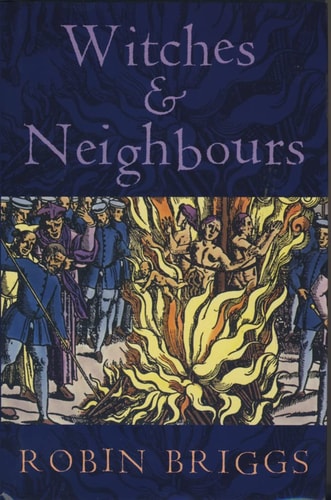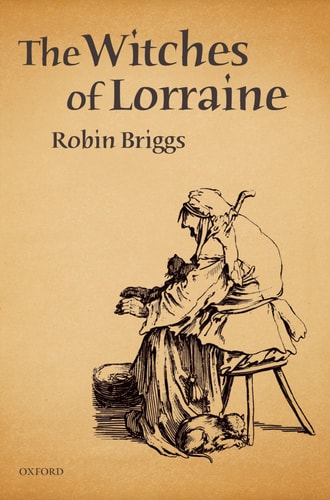
The Witches of Lorraine
0
0
As an Amazon Associate and affiliate partner, Menrva Books earns from qualifying purchases. Learn more
Author Description
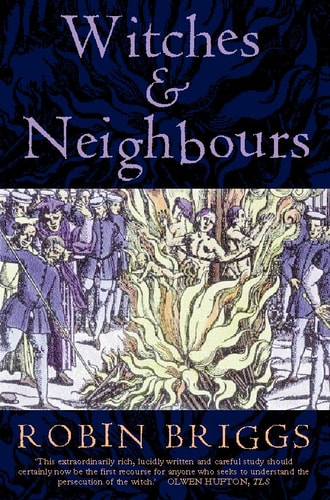
Based on perhaps the richest surviving archive of witchcraft trials to be found in Europe, The Witches of Lorraine reveals the extraordinary stories held within those documents. They paint a vivid picture of life amongst the ordinary people of a small duchy on the borders of France and the Holy Roman Empire, and allow a very close analysis of the beliefs, social tensions, and behavior patterns underlying popular attitudes to witchcraft.Intense persecution occurred in the period 1570-1630, but the focus of this book is more on how suspects interacted with their neighbors over the years preceding their trials. One of the mysteries is why people were so slow to use the law to eliminate these supposedly vicious and dangerous figures. Perhaps the most striking and unexpected conclusion is that witchcraft was actually perceived as having strong therapeutic possibilities; once a person was identified as the cause of a sickness, they could be induced to take it off again. Other aspects studied include the more fantastic beliefs in sabbats, shapeshifting, and werewolves, the role of the devins or cunning-folk, and the characteristics attributed to the significant proportion of male witches. This regional study makes a vital contribution to historical understanding of one of the most dramatic phenomena in early modern Europe, and to witchcraft studies as a whole, as well as illuminating related topics in social and religious history.
Menrva's Summary
THE THESIS
This book investigates the social dynamics and legal realities of witchcraft accusations within the duchy of Lorraine during the early modern period. Robin Briggs, a historian specializing in early modern Europe, utilizes an extensive archive of trial documents to challenge conventional narratives regarding the persecution of witches. He argues that witchcraft was not merely a source of fear, but a complex social phenomenon involving neighborly interactions, therapeutic expectations, and the role of cunning-folk in community health.
THE SCOPE MAP
What You Will Find
- Analysis of trial records from the duchy of Lorraine between 1570 and 1630.
- Examination of the therapeutic role attributed to suspected witches in local communities.
- Investigation into the social tensions and neighborly conflicts that preceded formal legal action.
- Discussion of folklore elements including shapeshifting, werewolves, and the activities of male witches.
THE AUTHORITY PERSPECTIVE
Historians and scholars of early modern Europe frequently cite this work as a foundational regional study for its meticulous use of primary source archives. Experts highlight the text for its nuanced approach to the social history of witchcraft, noting that it provides a sophisticated alternative to broader, less detailed surveys of the era.
Page Count:
450
Publication Date:
2008-01-10
Publisher:
Oxford University Press
ISBN-10:
0198225822
ISBN-13:
9780198225829
History
European History
Witchcraft
Social History