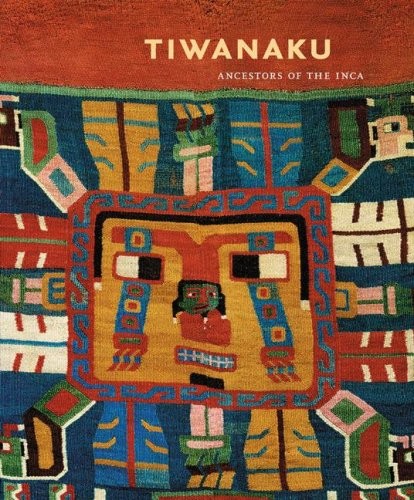
Tiwanaku
0
0
As an Amazon Associate and affiliate partner, Menrva Books earns from qualifying purchases. Learn more
Author Description
By the shores of Lake Titicaca, the largest body of water in the South American highland, rose the city of Tiwanaku. Its megalithic structures were constructed between AD 100 and 300. By 500 Tiwanaku had become the capital of an expanding empire in the Andes that endured until approximately AD 1000, when extended drought caused water levels to fall and agriculture to fail. After European colonization many of the buildings were raided for their stone, which was used to construct churches, rail stations, and houses. Less than a day's trip from La Paz, Bolivia, Tiwanaku remains one of the most impressive archeological sites in South America. Despite its fame and its economic, political, and artistic importance to such later peoples as the Incas, the Tiwanaku civilization has never been the subject of a comprehensive international art exhibition and accompanying catalog-until now. Tiwanaku introduces American audiences to the striking artwork and fascinating rituals of this highland culture through approximately one hundred works of art and cultural treasures. The range of media is unparalleled among ancient South American civilizations: large-scale stone sculptures, spectacular works in gold and silver, masterfully crafted ceramics, monumental architecture, gold and silver jewelry, and decoratively carved wood, bone, and stone objects. Of special note are the textiles, remarkably preserved by the dry climate of Tiwanaku's outposts in Chile and Peru. These finely crafted and richly decorated objects assembled from collections around the world evoke a vivid and comprehensive picture of elite life five hundred to one thousand years before the Inca Empire. This lavishly illustrated, full-color catalog features insightful scholarly essays introducing the general reader to the culture and historical co
Menrva's Summary
THE THESIS
The city of Tiwanaku, a powerful Andean empire, rose and fell by Lake Titicaca, leaving behind a legacy of impressive art and complex rituals. The civilization flourished between AD 100 and AD 1000, developing a sophisticated empire that influenced later peoples like the Incas. Despite its historical significance, Tiwanaku has never been the subject of a comprehensive international art exhibition until this catalog. The book explores the striking artwork and rituals of this highland culture through approximately one hundred artifacts, showcasing a wide range of media including stone sculptures, gold and silver work, ceramics, textiles, and jewelry.
THE SCOPE MAP
- What You Will Find:
- Megalithic structures and urban planning of the Tiwanaku capital.
- Analysis of large-scale stone sculptures and monumental architecture.
- Exploration of exquisite gold and silver jewelry and artifacts.
- Detailed examination of masterfully crafted ceramics.
- Focus on remarkably preserved textiles from dry climate outposts.
- Scholarly essays providing context on Tiwanaku culture and history.
- Insights into elite life in the Andes five hundred to one thousand years before the Inca Empire.
THE AUTHORITY PERSPECTIVE
This catalog accompanies the first comprehensive international art exhibition on the Tiwanaku civilization, aiming to introduce American audiences to its rich artistic heritage and rituals. The book features scholarly essays intended for a general reader, alongside approximately one hundred works of art and cultural treasures. It highlights the unparalleled range of media used by the Tiwanaku people, from monumental stone sculptures to delicate textiles, offering a vivid picture of elite life in the Andes.
Page Count:
215
Publication Date:
2004-01-01
ISBN-10:
0803249217
Non-Fiction
Art
History
Archaeology
Art History
Community Tags
Similar Books