Speech Out of Doors
0
0
As an Amazon Associate and affiliate partner, Menrva Books earns from qualifying purchases. Learn more
Author Description
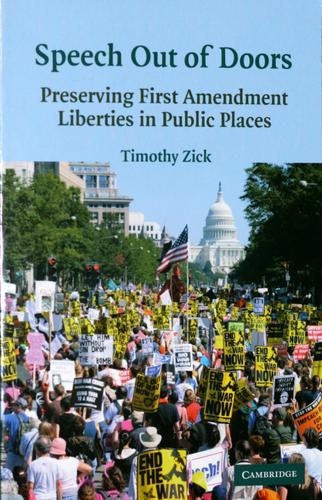
Even in an age characterized by increasing virtual presence and communication, speakers still need physical places in which to exercise First Amendment liberties. This book examines the critical intersection of public speech and spatiality. Through a tour of various places on what the author calls the "expressive topography," the book considers a variety of public speech activities, including sidewalk counseling at abortion clinics, residential picketing, protesting near funerals, assembling and speaking on college campuses, and participating in public rallies and demonstrations at political conventions and other critical democratic events. This examination of public expressive liberties, or speech out of doors, shows that place can be as important to one's expressive experience as voice, sight, and auditory function. Speakers derive a host of benefits, such as proximity, immediacy, symbolic function, and solidarity, from message placement. Unfortunately, for several decades tile ground beneath speakers' feet has been steadily eroding. The causes of this erosion are varied and complex; they include privatization and other loss of public space, legal restrictions on public assembly and expression, methods of policing public speech activity, and general public apathy. To counter these forces and reverse at least some of their effects will require a focused and sustained effort - by public officials, courts, and of course, the people themselves.--BOOK JACKET.
Menrva's Summary
THE THESIS
The First Amendment's protection of free speech is inextricably linked to the physical spaces where it occurs. This book investigates the crucial relationship between public speech and spatiality, exploring various locations on what the author terms the "expressive topography." It examines diverse public speech activities, from sidewalk counseling and funeral protests to campus assemblies and political demonstrations, arguing that the physical placement of a message can be as vital as the message itself. The work details how speakers gain benefits like proximity, immediacy, and solidarity from their chosen locations, but also highlights the ongoing erosion of these public spaces due to privatization, legal restrictions, policing methods, and public apathy.
THE SCOPE MAP
- Analysis of the "expressive topography" of public spaces.
- Examination of First Amendment liberties in diverse locations such as abortion clinics, college campuses, and political rallies.
- Discussion of the benefits speakers derive from message placement, including proximity, immediacy, symbolic function, and solidarity.
- Identification of factors contributing to the loss of public space and restrictions on expression.
- Exploration of legal restrictions on public assembly and expression.
- Consideration of policing methods for public speech activities.
- Call for a sustained effort by public officials, courts, and citizens to protect expressive liberties.
THE AUTHORITY PERSPECTIVE
This book is recognized for its thorough examination of the intersection between public speech and spatiality, arguing that the physical location of expression is as critical as the voice itself. It meticulously details various scenarios where First Amendment rights are exercised in public spaces, highlighting both the benefits speakers derive from these locations and the increasing threats to such spaces. The work is noted for its comprehensive analysis of the causes behind the erosion of public forums and its call for collective action to preserve these vital areas for democratic discourse.
Page Count:
344
Publication Date:
2008-01-01
ISBN-10:
0521517303
ISBN-13:
9780521517300
History
Non-Fiction
Politics
Law
Social Science
Community Tags
Similar Books