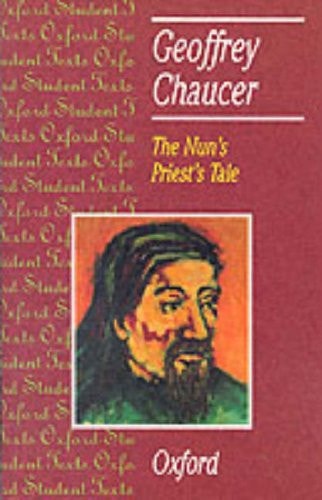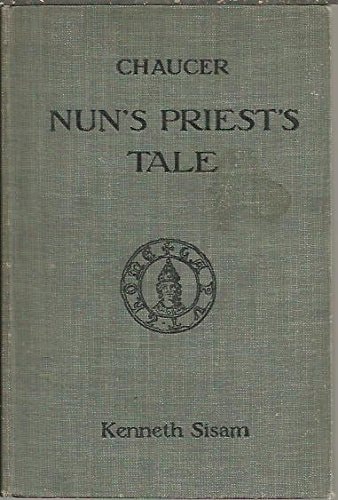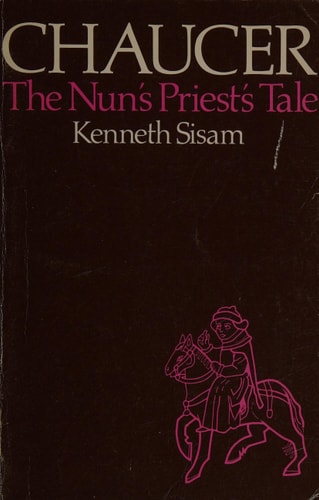
The Nun's Priest's Tale
0
0
As an Amazon Associate and affiliate partner, Menrva Books earns from qualifying purchases. Learn more
Author Description
This is a reproduction of a book published before 1923. This book may have occasional imperfections such as missing or blurred pages, poor pictures, errant marks, etc. that were either part of the original artifact, or were introduced by the scanning process. We believe this work is culturally important, and despite the imperfections, have elected to bring it back into print as part of our continuing commitment to the preservation of printed works worldwide. We appreciate your understanding of the imperfections in the preservation process, and hope you enjoy this valuable book.
Menrva's Summary
THE PULSE
A proud rooster named Chauntecleer faces a life-altering confrontation with a cunning fox who seeks to exploit his vanity. The protagonist, a rooster with a penchant for rhetoric and dreams, must navigate the tension between his own hubris and the predatory instincts of the fox, Pertelote. The narrative, presented as part of a larger frame story, utilizes a mock-heroic style to elevate the barnyard drama into a philosophical inquiry regarding fate and free will. The text employs a rhythmic, Middle English verse structure that demands careful attention to the interplay between high-minded discourse and base animal behavior.
INSIDE THE PAGES
- Utilization of the mock-heroic literary tradition to parody epic conventions
- Incorporation of dream theory and medieval psychological concepts
- Extensive use of rhetorical devices and classical allusions
- Satirical commentary on the nature of flattery and human pride
- Anthropomorphic characterization of barnyard animals
- Integration of moral fables within the primary narrative arc
- Exploration of the tension between predestination and individual agency
- Stylistic focus on the contrast between high-register language and low-stakes conflict
THE COLLECTIVE ECHO
Readers and critics frequently highlight the cleverness of Chaucer's satire, noting how the author uses the rooster's pomposity to mirror human folly. Discussion often centers on the effectiveness of the mock-heroic tone, which transforms a simple fable into a sophisticated critique of intellectual arrogance. The pacing is praised for its balance between philosophical digressions and the immediate, physical threat posed by the fox. Scholars often emphasize the text's role as a foundational piece of English literature, noting that its accessibility remains high despite the archaic language. Many readers find the interplay between the rooster's dreams and his eventual capture to be a masterclass in narrative irony.
Page Count:
128
Publication Date:
1977-06-16
Publisher:
Oxford University Press
ISBN-10:
0198319320
ISBN-13:
9780198319320
Poetry
Satire
Great Britain
Fable
English literature
Medieval
classic