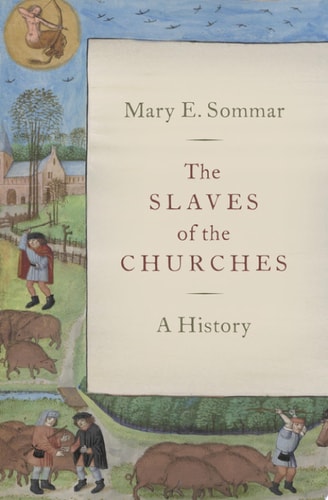
The Slaves of the Churches
0
0
As an Amazon Associate and affiliate partner, Menrva Books earns from qualifying purchases. Learn more
Author Description
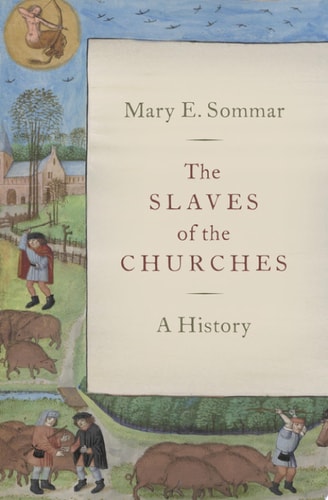
In Recent Years, Stories Of Religious Universities And Institutions Grappling With Their Slave-owning Past Have Made Headlines In The News. People Find It Shocking That The Church Itself Could Have Been Involved In Such A Sordid Business. This Timely Book, The Result Of Many Years Of Research, Is A Study Of The Origins Of This Problem. Mary E. Sommar Examines How The Church Sought To Establish Norms For Slave Ownership On The Part Of Ecclesiastical Institutions And Personnel, And For Others' Behavior Towards Such Slaves. The Story Begins In The New Testament Era, When The Earliest Christian Norms Were Established, And Continues Up To Thirteenth-century Establishment Of A Body Of Canon Law That Would Persist Into The Twentieth Century. Along With Her Analysis Of The Various Policies And Statutes, Sommar Draws On Chronicles, Letters, And Other Documents From Each Of The Various Historical Periods To Provide Insight Into The Situations Of Unfree Ecclesiastical Dependents. She Finds That Unfree Dependents Of The Church Actually Had Less Chance Of Achieving Freedom Than Did The Slaves Of Other Masters. The Church Authorities' Duty To Preserve The Church's Patrimony For The Needs Of Future Generations Led Them To Hold On Tightly To Their Unfree Human Resources. This Accessibly Written Book Does Not Present An Apology For The Behavior Of Past Christian Leaders, But Attempts To Learn What They Did And To Arrive At Some Understanding Of Why They Made Those Choices.
Menrva's Summary
THE THESIS
This book investigates the historical origins and development of slave ownership within ecclesiastical institutions from the New Testament era through the thirteenth century. Mary E. Sommar, a scholar of canon law and church history, utilizes a vast array of primary sources—including statutes, chronicles, and personal correspondence—to analyze how the Church established norms for the management of unfree dependents. Her central argument posits that the institutional mandate to preserve church patrimony for future generations created a systemic barrier to manumission, often leaving church-owned slaves with fewer opportunities for freedom than those held by secular masters.
THE SCOPE MAP
What You Will Find
- A chronological analysis of ecclesiastical slave ownership from the New Testament period to the thirteenth century.
- An examination of the development of canon law regarding unfree dependents.
- A synthesis of primary source documents including letters, legal statutes, and historical chronicles.
Scope Limits
- The study focuses primarily on the legal and institutional framework of the Church rather than individual slave narratives.
- The analysis concludes at the establishment of the thirteenth-century canon law, excluding modern-era developments.
THE AUTHORITY PERSPECTIVE
Scholars and historians recognize this work as a significant contribution to the study of institutional history and the intersection of religious law and human rights. Readers frequently note the clarity of the prose, which makes complex legal and historical developments accessible to a broader audience.
Page Count:
336
Publication Date:
2020-01-01
Publisher:
Oxford University Press
ISBN-10:
0190073276
ISBN-13:
9780190073275
History
Religion
Canon law
Slavery
Church History
Community Tags
Other Editions(2)
Similar Books