Asuka
0
0
As an Amazon Associate and affiliate partner, Menrva Books earns from qualifying purchases. Learn more
Author Description
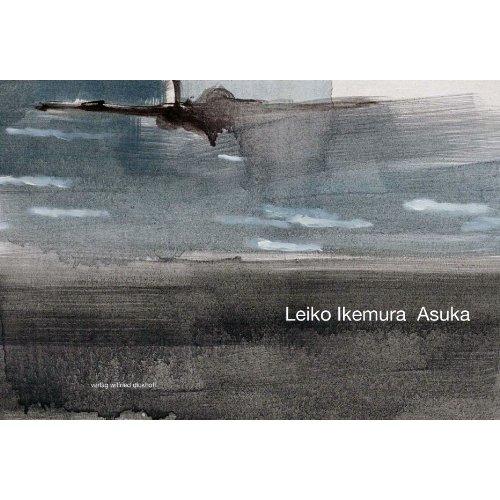
Asuka is the name given by Leiko Ikemura to a series of mainly small-format paintings which contain allusions to objects such as ships and aeroplanes. The name has a long tradition which goes back to the origins of Japanese culture. Rendered in the most common Japanese script Asuka means flying bird. Yet the name has a number of different meanings,... such as asu-ka ( literally the scent of tomorrow ) or a-suka (literally peaceful retreat). The written form is taken from various poems in Manyoshu (Collection of Ten Thousand Leaves), the first major collection of Japanese poetry (4.500 poems in 20 volumes) mainly compiled by the poet Otomo no Yakamochi in 759.... The Asuka period (in Japanese Asuka jidai) was an important time in Japanese history, named after the location of the imperial palaces and the residence of the Yamoto polity Asuka-kyo. It began in 552 with the official adoption of Buddhism. During the 150 years of its existence the first written constitution was produced, containing 17 sections on ethics and politics.... The Asuka period also saw the first mention of the name Nihon for Japan, composed of the signs ni (meaning day or sun) and hon (meaning origin, roots or beginning). By naming her series of paintings thus, Leiko Ikemura places the works on a semantic horizon which juxtaposes initial and concluding phases of the historical formation of Japanese cultural and political identity. An oscillation develops between text and image, between the verbal transmission of how national identity originated and the visual intimation of a war which signalled a provisional end to this cultural history. It is not necessary to know the titles of individual works Marine, Pacific Ocean, Warship, Hikari (Light) to realise that they concern battles between the USA and Japan in World War II; this becomes clear from the figurative references to ships, aeroplanes and the lights given off by missiles at night. Ikemura neither judges nor represents; we can experience both
Menrva's Summary
THE THESIS
The book investigates the historical and cultural significance of the name 'Asuka' and its connection to Japanese identity, particularly in the context of World War II. Leiko Ikemura, an artist known for her evocative works, explores this theme through a series of paintings that allude to objects like ships and airplanes. The name 'Asuka' itself carries multiple meanings, rooted in ancient Japanese poetry and historical periods, including the Asuka period which saw the adoption of Buddhism and the first written constitution. Ikemura uses this rich semantic background to juxtapose the origins of Japanese cultural identity with the visual intimations of conflict, specifically referencing battles between the USA and Japan in World War II through figurative elements in her art.
THE SCOPE MAP
- Exploration of the name 'Asuka' and its etymological roots in Japanese culture and poetry.
- Analysis of the Asuka period in Japanese history, including its political and religious developments.
- Connection of the name 'Asuka' to Leiko Ikemura's series of paintings.
- Interpretation of visual allusions to ships, airplanes, and lights in Ikemura's artwork.
- Thematic juxtaposition of the origins of Japanese national identity with the impact of World War II.
- Discussion of the semantic horizon created by Ikemura, bridging historical formation and conflict.
THE AUTHORITY PERSPECTIVE
The book positions Leiko Ikemura's 'Asuka' series within a broad historical and cultural context, linking ancient Japanese identity to the visual representation of World War II conflict. The author's approach emphasizes the semantic depth of the name 'Asuka' and its resonance with themes of origin and ending. The reception of this work likely appeals to those interested in contemporary art, Japanese history, and the intersection of visual art with historical events. The book's focus on Ikemura's artistic interpretation suggests a thoughtful engagement with how art can reflect and comment upon significant historical periods and conflicts.
Page Count:
64
Publication Date:
2010-01-01
ISBN-10:
3981061330
ISBN-13:
9783981061338
Art
History
Non-Fiction
Japanese History
Community Tags
Similar Books