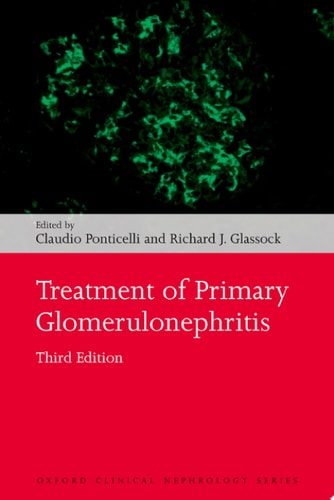
Treatment of Primary Glomerulonephritis
0
0
As an Amazon Associate and affiliate partner, Menrva Books earns from qualifying purchases. Learn more
Author Description
Primary glomerulonephritis is one of the most frequent renal diseases, and a main cause of end-stage kidney disease. Glomerulonephritis has multiple subtypes, each with different physiopathologies, clinical presentations, and management requirements, which makes treatment difficult. As a complex set of diseases, the choice of symptomatic and specific treatment is critical to ameliorating the relentless course of glomerulonephritis.Focusing on all aspects of primary glomerulonephritis, from their epidemiologies and classification, to their pathogenesis and treatment, this third edition of Treatment of Primary Glomerulonephritis has been fully updated to include the latest research and evidence-based practice. With a strong emphasis on drugs used for both symptomatic and specific treatments, mechanisms of action, effectiveness, and potential toxicity are considered for therapeutic strategies in the different subtypes of primary glomerulonephritis.Each chapter follows a clear and logical format, allowing easy access to key information. Featuring over 20 full-colour histological images of different diseases to aid diagnosis, and with commentary from internationally recognised experts in the field, this new edition is an essential resource for all practising or academic clinical nephrologists.
Menrva's Summary
THE THESIS
This text investigates the optimal therapeutic strategies for managing the diverse subtypes of primary glomerulonephritis to prevent the progression toward end-stage kidney disease. Authors Claudio Ponticelli and Richard J. Glassock, both established experts in the field of nephrology, synthesize current clinical research and evidence-based practice to provide a comprehensive framework for treatment. The book addresses the complexities of disease pathogenesis and drug mechanisms, offering a structured approach to clinical decision-making for practicing nephrologists.
THE SCOPE MAP
What You Will Find
- Detailed analysis of epidemiology, classification, and pathogenesis for primary glomerulonephritis subtypes.
- Comprehensive review of pharmacological interventions, including mechanisms of action, clinical effectiveness, and toxicity profiles.
- Over 20 full-color histological images to assist in accurate diagnostic procedures.
- Expert clinical commentary on therapeutic strategies for varied patient presentations.
THE AUTHORITY PERSPECTIVE
Experts recognize this volume as a foundational reference for clinical nephrologists seeking evidence-based guidance on renal disease management. Readers frequently note the high density of clinical data and the utility of the structured chapter format for quick reference in academic and hospital settings.
Page Count:
640
Publication Date:
2019-08-06
Publisher:
Oxford University Press
ISBN-10:
0198784082
ISBN-13:
9780198784081
Nephrology
Pathology
Medicine
Community Tags
Other Editions(4)
Similar Books














Reader Comments
Share Your Thoughts
No comments yet. Be the first to share your thoughts!