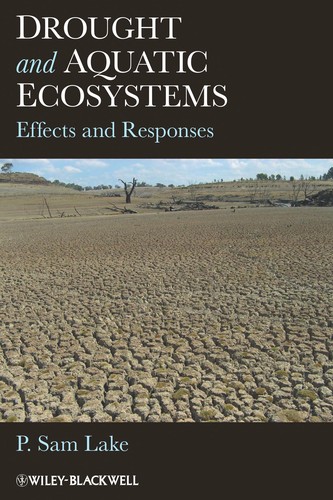
Drought and Aquatic Ecosystems
0
0
As an Amazon Associate and affiliate partner, Menrva Books earns from qualifying purchases. Learn more
Author Description
This book describes the evolutionary and ecological consequences of reproductive competition for scarabaeine dung beetles. As well as giving us insight into the private lives of these fascinating creatures, this book shows how dung beetles can be used as model systems for improving our general understanding of broad evolutionary and ecological processes, and how they generate biological diversity. Over the last few decades we have begun to see further than ever before, with our research efforts yielding new information at all levels of analysis, from whole organism biology to genomics. This book brings together leading researchers who contribute chapters that integrate our current knowledge of phylogenetics and evolution, developmental biology, comparative morphology, physiology, behaviour, and population and community ecology. Dung beetle research is shedding light on the ultimate question of how best to document and conserve the world's biodiversity. The book will be of interest to established researchers, university teachers, research students, conservation biologists, and those wanting to know more about the dung beetle taxon.
Menrva's Summary
THE THESIS
This book investigates the evolutionary and ecological ramifications of reproductive competition within scarabaeine dung beetles. It explores how these insects serve as model systems for understanding broader evolutionary and ecological processes, and how they contribute to the generation of biological diversity. The work synthesizes current knowledge across multiple research levels, from whole organism biology to genomics, integrating insights from phylogenetics, developmental biology, comparative morphology, physiology, behavior, and population and community ecology. Ultimately, the research presented aims to inform the documentation and conservation of global biodiversity.
THE SCOPE MAP
- Evolutionary and ecological consequences of reproductive competition in dung beetles
- Dung beetles as model systems for understanding broad evolutionary and ecological processes
- Mechanisms of biological diversity generation
- Integration of knowledge from phylogenetics, evolution, developmental biology, comparative morphology, physiology, behavior, and population and community ecology
- Insights into documenting and conserving global biodiversity
- Target audience: established researchers, university teachers, research students, conservation biologists, and general readers interested in dung beetles
THE AUTHORITY PERSPECTIVE
This book synthesizes current research on dung beetles, positioning them as crucial model organisms for understanding fundamental evolutionary and ecological principles. It integrates diverse fields of study, from genomics to community ecology, to illuminate how these insects generate biodiversity and inform conservation efforts. The work is intended for a specialized audience including researchers, educators, and students in relevant biological fields, as well as conservationists.
Page Count:
0
Publication Date:
2011-01-01
ISBN-10:
1405185600
ISBN-13:
9781405185608
Non-Fiction
Science
Entomology
Biodiversity
Ecology
Evolutionary Biology
Zoology
Community Tags
Similar Books