The Biggest Estate on Earth
0
0
As an Amazon Associate and affiliate partner, Menrva Books earns from qualifying purchases. Learn more
Author Description
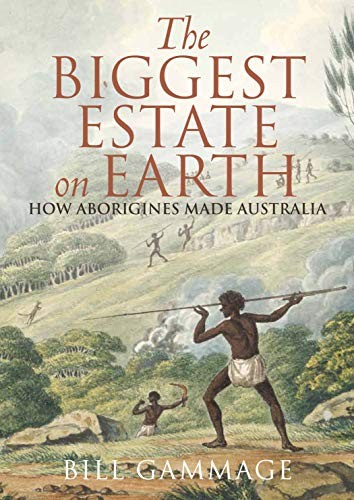
Across Australia, early Europeans commented again and again that the land looked like a park. With extensive grassy patches and pathways, open woodlands and abundant wildlife, it evoked a country estate in England. Bill Gammage has discovered this was because Aboriginal people managed the land in a far more systematic and scientific fashion than we have ever realised. For over a decade he has examined written and visual records of the Australian landscape. He has uncovered an extraordinarily complex system of land management using fire, the life cycles of native plants, and the natural flow of water to ensure plentiful wildlife and plant foods throughout the year. We know Aboriginal people spent far less time and effort than Europeans in securing food and shelter.... With details of land-management strategies from around Australia, The biggest estate on earth rewrites the history of this continent, with huge implications for us today.
Menrva's Summary
THE THESIS
The conventional understanding of Australia's landscape as a wild, untamed continent is challenged by evidence of systematic Indigenous land management. Bill Gammage's extensive examination of historical records reveals that Aboriginal peoples across Australia actively and scientifically managed the land for millennia. Through the strategic use of fire, an intimate knowledge of plant life cycles, and an understanding of water flow, they created park-like environments that ensured abundant food and resources year-round. This sophisticated system, requiring less effort than European methods, fundamentally reshapes our perception of Australia's pre-colonial history and its ecological past.
THE SCOPE MAP
- Analysis of written and visual records from early European settlers.
- Detailed examination of Aboriginal land management techniques, including fire use.
- Exploration of how Indigenous peoples utilized native plant life cycles for sustenance.
- Investigation into the role of water management in shaping the landscape.
- Comparison of Indigenous land management efficiency with European methods.
- Case studies of land-management strategies from various regions of Australia.
- Discussion of the implications of this historical understanding for contemporary Australia.
THE AUTHORITY PERSPECTIVE
The book is recognized for its significant contribution to understanding Australia's environmental history and Indigenous land management practices. It challenges long-held assumptions about the continent's pre-colonial state, presenting a compelling argument for the systematic and scientific nature of Aboriginal stewardship. The work is noted for its thorough research, drawing on a wide array of historical documents and visual evidence to support its thesis. Its findings have broad implications for contemporary discussions on land use, conservation, and reconciliation in Australia.
Page Count:
434
Publication Date:
2011-01-01
ISBN-10:
1742377483
ISBN-13:
9781742377483
Non-Fiction
History
Environmental History
Australian History
Community Tags
Similar Books