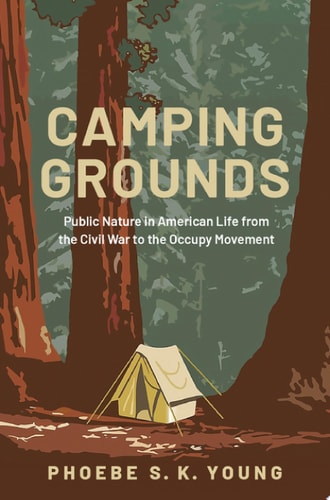
Camping Grounds: Public Nature in American Life from the Civil War to the Occupy Movement
0
0
As an Amazon Associate and affiliate partner, Menrva Books earns from qualifying purchases. Learn more
Author Description
An exploration of the hidden history of camping in American life that connects a familiar recreational pastime to camps for functional needs and political purposes.Camping appears to be a simple proposition, a time-honored way of getting away from it all. Pack up the car and hit the road in search of a shady spot in the great outdoors. For a modest fee, reserve the basic infrastructure--a picnic table, a parking spot, and a place to build a fire. Pitch the tent and unroll the sleeping bags. Sit under the stars with friends or family and roast some marshmallows. This book reveals that, for all its appeal, the simplicity of camping is deceptive, its history and meanings far from obvious.Why do some Americans find pleasure in sleeping outside, particularly when so many others, past and present, have had to do so for reasons other than recreation? Never only a vacation choice, camping has been something people do out of dire necessity and as a tactic of political protest. Yet the dominant interpretation of camping as a modern recreational ideal has obscured the connections to these other roles. A closer look at the history of camping since the Civil War reveals a deeper significance of this American tradition and its links to core beliefs about nature and national belonging. Camping Grounds rediscovers unexpected and interwoven histories of sleeping outside. It uses extensive research to trace surprising links between veterans, tramps, John Muir, African American freedpeople, Indian communities, and early leisure campers in the nineteenth century; tin-can tourists, federal campground designers, Depression-era transients, family campers, backpacking enthusiasts, and political activists in the twentieth century; and the crisis of the unsheltered and the tent-based Occupy Movement in the twenty-first. These entwined stories show how Americans camp to claim a place in the American republic and why the outdoors is critical to how we relate to nature, the nation, and each other.
Menrva's Summary
THE THESIS
This book investigates how the practice of camping in America has evolved from a necessity and political tool into a recreational ideal, revealing how sleeping outdoors reflects changing concepts of national belonging and citizenship. Phoebe S.K. Young, a historian of American culture, utilizes extensive archival research and social history to argue that the recreational narrative of camping has obscured its deeper, more complex origins. By examining the intersection of leisure, poverty, and protest, the author provides a framework for understanding how the act of occupying space in nature serves as a claim to public identity.
THE SCOPE MAP
What You Will Find
- Historical analysis of camping practices from the post-Civil War era through the 21st century.
- Examination of diverse groups including veterans, displaced populations, political activists, and leisure campers.
- Analysis of federal land management policies and the development of public campground infrastructure.
- Case studies linking tent-based living to social movements like the Occupy Movement.
Scope Limits
- The text focuses primarily on the United States and does not provide a global history of outdoor recreation.
- It does not serve as a technical guide for camping equipment or wilderness survival skills.
THE AUTHORITY PERSPECTIVE
Scholars and historians identify this work as a significant contribution to the study of American public space and environmental history. Readers frequently note the depth of the research and the author's ability to synthesize disparate social histories into a cohesive narrative about national identity.
Page Count:
432
Publication Date:
2021-01-01
Publisher:
Oxford University Press
ISBN-10:
0190093579
ISBN-13:
9780190093570
History
American Studies
Sociology
History of the Americas
Special Topics
Environmental History
Political History
Activities & Sports
Community Tags
Similar Books