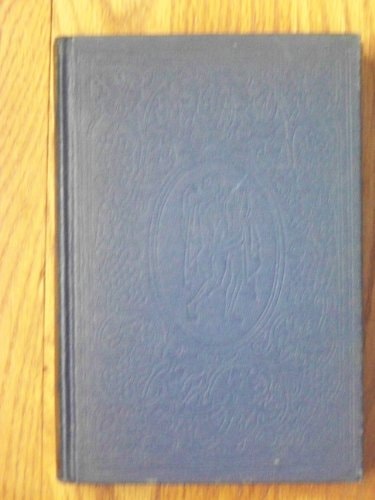
The House of the Seven Gables
0
0
As an Amazon Associate and affiliate partner, Menrva Books earns from qualifying purchases. Learn more
Author Description
In a sleepy little New England village stands a dark, weather-beaten, many-gabled house. This brooding mansion is haunted by a centuries-old curse that casts the shadow of ancestral sin upon the last four members of the distinctive Pyncheon family. Mysterious deaths threaten the living. Musty documents nestle behind hidden panels carrying the secret of the family's salvation -- or its downfall. Hawthorne called The House of the Seven Gables "a romance," and freely bestowed upon it many fascinating gothic touches. A brilliant intertwining of the popular, the symbolic, and the historical, the novel is a powerful exploration of personal and national guilt, a work that Henry James declared "the closest approach we are likely to have to the Great American Novel."
Menrva's Summary
THE PULSE
A centuries-old curse haunts the Pyncheon family, manifesting in the decaying architecture of their ancestral home and the lingering weight of past transgressions. The narrative follows the remaining members of the Pyncheon lineage as they navigate the physical and psychological remnants of their family's history. Opposed by the oppressive atmosphere of the house and the social consequences of their ancestor's greed, the characters struggle to reconcile their present lives with the sins of the past. The story utilizes a third-person omniscient perspective to examine the intersection of individual morality and inherited guilt within a rigid social structure.
INSIDE THE PAGES
- Gothic architectural symbolism
- Exploration of ancestral guilt
- New England regional setting
- Psychological character studies
- Integration of historical documents
- Themes of social class decline
- Supernatural undertones
- Romantic subplots
THE COLLECTIVE ECHO
Discussion often centers on the effectiveness of the house itself as a central character that dictates the mood of the narrative. Readers frequently highlight the contrast between the dark, brooding atmosphere and the lighter, more hopeful moments provided by the younger characters. Critics often examine how the text functions as a critique of American history and the lingering effects of past injustices on future generations. The pacing is noted for its deliberate, atmospheric quality rather than rapid plot progression. Many readers appreciate the intricate symbolism that permeates the prose, making it a frequent subject of academic analysis regarding the nature of inherited sin.
Page Count:
309
Publication Date:
1957-01-01
Publisher:
World Publishing Company
ISBN-10:
0030099757
ISBN-13:
9780030099755
Romance
Historical
Salem mass fiction
New England
Gothic
classic
Literary
Community Tags
Similar Books