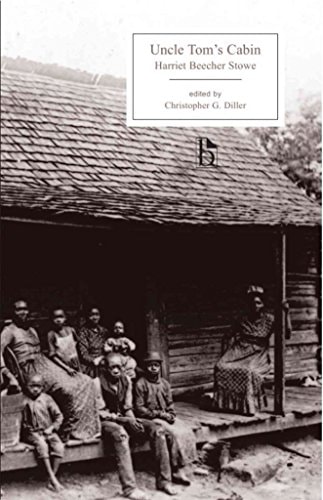
Uncle Tom's Cabin
0
0
As an Amazon Associate and affiliate partner, Menrva Books earns from qualifying purchases. Learn more
Author Description
From AudioFileUsing a mixture of clearly distinguished voices, Ricco Ross brings Southern accents, Negro dialects, and another era to life in this rendering of UNCLE TOM'S CABIN. Listeners can almost see the young Negro quadroons, Jim Crow, and Topsy, who says, "I just growed," when asked when and where she was born. While Ricco portrays the ugly slave master, Simon Legree, with menacing tones of cruelty, he switches to sounds of compassion and grace with Uncle Tom. Ricco depicts the barbarisms of slave trading in which men, women, and children are bought and sold like livestock with chilling reality. This timeless classic is worth revisiting. G.D.W. © AudioFile 2001, Portland, Maine-- Copyright © AudioFile, Portland, MaineProduct DescriptionOriginally published in 1878. This volume from the Cornell University Library's print collections was scanned on an APT BookScan and converted to JPG 2000 format by Kirtas Technologies. All titles scanned cover to cover and pages may include marks notations and other marginalia present in the original volume.
Menrva's Summary
THE PULSE
The central conflict arises from the brutal realities of the American slave trade and the moral struggle of individuals caught within its dehumanizing system. Harriet Beecher Stowe follows the divergent paths of Uncle Tom, a pious man sold away from his family, and Eliza, a mother fleeing to protect her child from a similar fate. The narrative framework utilizes a multi-perspective approach to contrast the cruelty of slaveholders like Simon Legree with the resilience of those seeking freedom. The story operates under the physical constraints of the antebellum South, where the legal status of enslaved people dictates their survival and autonomy.
INSIDE THE PAGES
- Exploration of the moral and religious implications of chattel slavery.
- Use of distinct regional dialects to differentiate character backgrounds.
- Contrast between the domestic sphere and the harsh conditions of the plantation.
- Character archetypes representing various responses to systemic oppression.
- Episodic structure that follows multiple characters across different geographic locations.
- Direct address to the reader regarding the ethical responsibilities of a free society.
- Detailed depiction of the economic commodification of human beings.
- Integration of sentimental literary tropes to evoke empathy for the enslaved.
THE COLLECTIVE ECHO
Readers and critics frequently highlight the novel's historical significance as a catalyst for shifting public opinion regarding the abolition of slavery. Discussion often centers on the author's use of melodrama and religious rhetoric to challenge the moral conscience of the nineteenth-century reader. While some modern scholars debate the characterization of Uncle Tom, the work remains a foundational text for understanding the cultural climate of the American Civil War era. The narrative is widely recognized for its ability to humanize the victims of a brutal institution through vivid and often harrowing prose.
Page Count:
588
Publication Date:
1965-01-01
Publisher:
Harper
ISBN-10:
0198123043
ISBN-13:
9780198123040
History
Romance
Politics
Drama
Fiction
Literary
New Used & Rental Textbooks
classic
Classics
Ethnic Studies
Literature & Fiction
Historical
Social Issues
Community Tags
Other Editions(84)

Classics Illustrated Comics
2025
Default edition
Alpha Edition
2024
Sterling Publishing Company, Incorporated
2024

EdCon Publishing
2023
Information Age Publishing, Incorporated
2022

Classical Prints
2022

Independently Published
2022
TTD publishers
2022
Independently Published
2021

Independently Published
2021

Independently Published
2021

Independently Published
2021

Independently Published
2021

Independently Published
2021
Independently Published
2020

Graphic Arts Books
2020

Independently Published
2020

Independently Published
2020
Amazon Digital Services LLC - KDP Print US
2020

hansebooks
2020
Independently Published
2020
Independently Published
2020

Pan Macmillan UK
2020

Pan Macmillan
2020

Macmillan Collector's Library
2020
Independently Published
2020

Independently Published
2020
Public Park Publishing
2020

Public Park Publishing
2020
Independently Published
2019
Independently Published
2019

Independently Published
2019
Independently Published
2019
Amazon Digital Services LLC - KDP Print US
2019
Independently Published
2019

Independently Published
2019

Independently Published
2019

Independently Published
2019

Independently Published
2019

Amazon Digital Services LLC - KDP Print US
2019
Independently Published
2019
Amazon Digital Services LLC - KDP Print US
2019

Amazon Digital Services LLC - KDP Print US
2019

Prakash Books
2019

Amazon Digital Services LLC - KDP Print US
2018
Creative Media Partners, LLC
2018

Creative Media Partners, LLC
2018

Creative Media Partners, LLC
2018
Creative Media Partners, LLC
2018

Independently Published
2018

Independently Published
2018
12th Media Services
2017

Independently Published
2017

Arcturus Publishing Limited
2017

CreateSpace Independent Publishing Platform
2017

CreateSpace Independent Publishing Platform
2016

CreateSpace Independent Publishing Platform
2016

CreateSpace Independent Publishing Platform
2016

Joe Books Ltd
2015

Independent Publishers Group (Chicago Review Press)
2014

HarperCollins
2013

Simon & Schuster
2012
Andrews UK
2012

Copia Interactive, LLC
2011
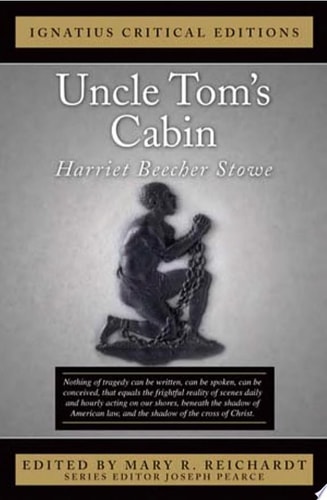
Ignatius Press
2009

The Floating Press
2009

Penguin Group USA, Inc.
2008
1st World Publishing, Incorporated
2005
eBooksLib
2005

EBooksLib
2004
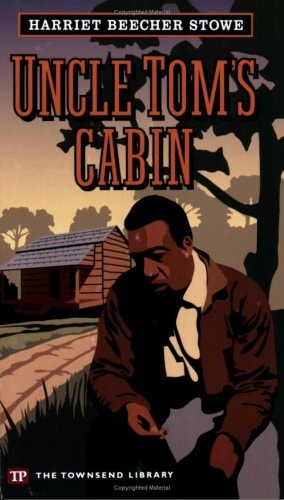
Townsend Library
2004
Collector's Library
2004
IndyPublish.com
2003
Oxford University Press
2002

San Val
2002
Barnes & Noble World Digital Library
2002
Random House Digital Inc.
2000
OUP Oxford
1998

Signet Books
1998
Oxford University Press
1998
Modern Library
1996
Bloomsbury
1994

Modern Library
1985
Harper
1965

Reader Comments
Share Your Thoughts
No comments yet. Be the first to share your thoughts!