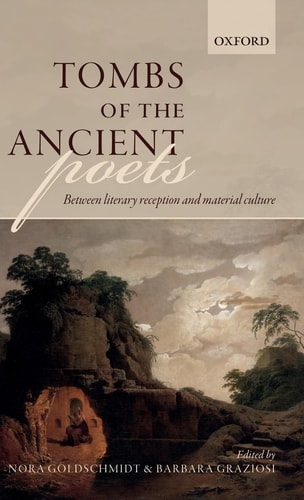
Tombs of the Ancient Poets: Between Literary Reception and Material Culture
0
0
As an Amazon Associate and affiliate partner, Menrva Books earns from qualifying purchases. Learn more
Author Description
This volume explores the ways in which the tombs of the ancient poets - real or imagined - act as crucial sites for the reception of Greek and Latin poetry. Drawing together a range of examples, the collection makes a distinctive contribution to the study of literary reception by focusing on the materiality of the body and the tomb, and the ways in which they mediate the relationship between classical poetry and its readers. From the tomb of the boy poet Quintus Sulpicius Maximus, which preserves his prize-winning poetry carved on the tombstone itself, to the modern votive offerings left at the so-called 'Tomb of Virgil'; from the doomed tomb-hunting of long-lost poets' graves, to the 'graveyard of the imagination' constructed in Hellenistic poetry collections, the essays collected here explore the position of ancient poets' tombs in the cultural imagination and demonstrate the rich variety of ways in which they exemplify an essential mode of the reception of ancient poetry, poised as they are between literary reception and material culture.
Menrva's Summary
THE THESIS
This volume investigates how the physical and imagined tombs of ancient poets function as essential sites for the reception and cultural interpretation of Greek and Latin literature. Editors Barbara Graziosi and Nora Goldschmidt assemble a collection of essays that bridge the gap between material culture and literary analysis. By examining the intersection of the physical body, the funerary monument, and the poetic text, the authors argue that these sites serve as active mediators between classical works and their subsequent audiences.
THE SCOPE MAP
What You Will Find
- Analysis of the tomb of Quintus Sulpicius Maximus and its inscribed poetry.
- Examination of the cultural significance of the so-called Tomb of Virgil.
- Exploration of the 'graveyard of the imagination' within Hellenistic poetry collections.
- Discussion of the historical practice of tomb-hunting for lost poets.
- Theoretical frameworks connecting material remains to literary reception.
THE AUTHORITY PERSPECTIVE
Scholars and classicists identify this work as a significant contribution to the study of how physical monuments shape the legacy of ancient authors. Readers frequently note the academic density of the prose and the interdisciplinary approach that successfully links archaeology with literary theory.
Page Count:
384
Publication Date:
2018-12-11
Publisher:
Oxford University Press
ISBN-10:
0198826478
ISBN-13:
9780198826477
Poetry
History
Archaeology
English
English & College Success
Greek poetry
Monuments
Latin poetry
Literary Criticism
Poets
Community Tags
Similar Books