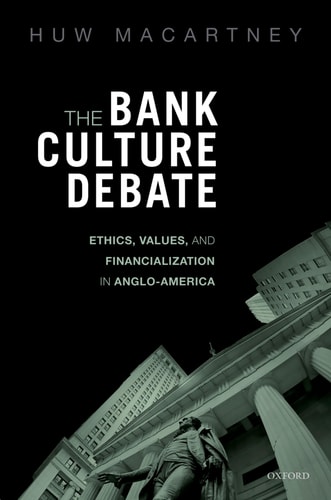
The Bank Culture Debate: Ethics, Values, and Financialization in Anglo-America
0
0
As an Amazon Associate and affiliate partner, Menrva Books earns from qualifying purchases. Learn more
Author Description
The period since the Global Financial Crisis and numerous scandals have exposed some areas of serious illegal and unethical conduct within western banking systems. Despite extensive reforms it is increasingly apparent however that there is a persistent problem with the 'culture' of banking in Anglo-America.US and UK state managers made substantial efforts to reform the culture of their banking sectors. However, this book argues that they focused on an extremely narrow definition of bank culture. They did so for two reasons: firstly, because the structural pressures of financialization - which are a far more important driver of the problematic features of bank culture in Anglo-America - are harder to remedy; but secondly, state managers also used their bank culture response to tackle a legitimacy crisis facing their institutions of government. In so doing they abdicated responsibility for the real problems - of inequality and instability - associated with their respective financial systemsDrawing on interviews with more than 150 individuals working in financial services as well as regulators, politicians, and lawyers, The Bank Culture Debate explains the strategies employed by state managers before then examining what has and has not changed in the culture of banking in the US and UK.
Menrva's Summary
THE THESIS
This book investigates why post-crisis banking reforms in the US and UK have failed to address the underlying cultural issues within the financial sector. Author Huw Macartney, a scholar of international political economy, argues that state managers deliberately adopted a narrow definition of 'bank culture' to manage a legitimacy crisis rather than confronting the structural pressures of financialization. By prioritizing superficial changes over systemic reform, these actors effectively avoided addressing the broader consequences of inequality and instability inherent in the Anglo-American financial model.
THE SCOPE MAP
What You Will Find
- A comparative analysis of banking reform strategies in the United States and the United Kingdom.
- An examination of the structural pressures exerted by financialization on modern banking institutions.
- Primary source evidence gathered from over 150 interviews with financial service professionals, regulators, politicians, and legal experts.
- A critical assessment of how government responses to financial scandals serve to protect institutional legitimacy rather than promote ethical conduct.
THE AUTHORITY PERSPECTIVE
Experts in political economy and finance recognize this work as a significant contribution to the study of post-crisis institutional reform. Readers frequently note the academic density of the prose and the depth of the qualitative research provided by the author's extensive interview data.
Page Count:
304
Publication Date:
2019-11-12
Publisher:
Oxford University Press
ISBN-10:
0198843763
ISBN-13:
9780198843764
Economics
Banking law
Banks and banking corrupt practices
Public Policy
Finance
Banking
Sociology
Community Tags
Similar Books