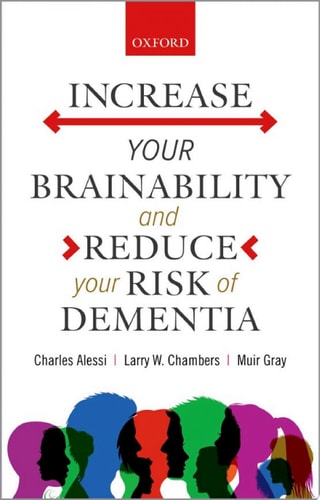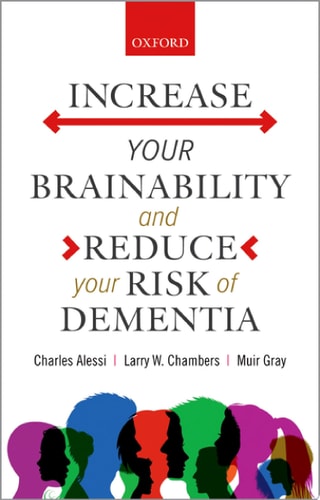
Increase Your Brainability: And Reduce Your Risk of Dementia
0
0
As an Amazon Associate and affiliate partner, Menrva Books earns from qualifying purchases. Learn more
Author Description
Dreaded by many people as an inevitable part of normal aging, Dementia has displaced Cancer as the most feared health problem. Cancer continues to be a serious condition, but it is often curable, and almost always treatable. In contrast, the fear of dementia is complicated by the fear of ageing, and by muddled thinking about its relationship with Alzheimer's disease.Yet, there is no reason to be disheartened. Ever-evolving scientific evidence means that we can be increasingly optimistic about the future, and on-going research shows that the problems we dread- dementia, disability and dependency- can be controlled. By taking steps to limit damage to the brain caused by stress, sleep problems, and inactivity throughout our lives, it is more than possible to substantially reduce your risk of dementia. Equally, a loss of physical fitness (which starts long before old age) is preventable.Based on research from the Optimal Ageing Programme, and full of practical, evidence-based advice on managing the major risk factors underpinning dementia, this book will inspire readers to fight back against the modern environment and negative societal attitudes. Through simple but effective lifestyle changes that anyone can make, everyone can take positive action to increase their brainability.It is never too late to change your life, reduce your risk, and live better for longer.
Menrva's Summary
THE THESIS
This book investigates whether the onset of dementia is an inevitable consequence of aging or a condition that can be mitigated through proactive lifestyle modifications. The authors, Charles Alessi, Larry W. Chambers, and Muir Gray, leverage their expertise in public health and the Optimal Ageing Programme to challenge the fatalistic view of cognitive decline. They argue that by addressing specific environmental and physiological stressors, individuals can significantly improve their brain health and reduce the risk of dependency in later life.
THE SCOPE MAP
What You Will Find
- Evidence-based strategies for mitigating risk factors such as stress, sleep deprivation, and physical inactivity.
- An analysis of the relationship between physical fitness and long-term cognitive function.
- Practical frameworks for navigating the modern environment to support brain health.
- Insights derived from the Optimal Ageing Programme regarding the prevention of disability and dependency.
THE AUTHORITY PERSPECTIVE
Experts and readers alike recognize this work as a practical, accessible resource for those seeking to understand the modifiable risk factors associated with cognitive decline. The text is noted for its optimistic, evidence-based approach to a subject often clouded by fear and misinformation.
Page Count:
176
Publication Date:
2021-07-27
Publisher:
Oxford University Press
ISBN-10:
019886034X
ISBN-13:
9780198860341
Psychology
Health
Neuroscience
Aging
Self Help