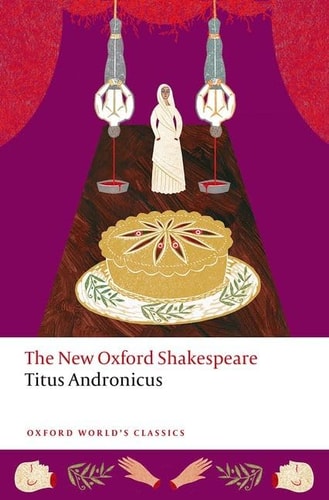
Titus Andronicus: The New Oxford Shakespeare
0
0
As an Amazon Associate and affiliate partner, Menrva Books earns from qualifying purchases. Learn more
Author Description
Dismemberment, rape, cannibalism and murder make 'Titus Andronicus' Shakespeare's bloodiest tragedy. The boundless grief and savage justice of Titus explores the expression of tragic passion, the Senecan tradition, Roman history and government, the body and structures of interpretation.
Menrva's Summary
THE PULSE
The Roman general Titus Andronicus returns from war to face a cycle of vengeance that consumes his family and the state. Driven by the loss of his children and the cruelty of the empress Tamora, Titus descends into a madness fueled by the desire for retribution. The narrative follows a rigid structure of escalating violence, where physical mutilation serves as a metaphor for the collapse of political order. The play operates within the conventions of Elizabethan revenge tragedy, utilizing a linear progression that leads to a catastrophic final banquet. The text explores the tension between personal honor and the cold, bureaucratic demands of the Roman Empire.
INSIDE THE PAGES
- Use of Senecan revenge tragedy tropes
- Exploration of the body as a site of political violence
- Themes of cannibalism and ritualized retribution
- Contrast between Roman stoicism and Goth savagery
- Complex interplay of power and dynastic succession
- Frequent use of classical allusion and rhetoric
- Examination of the limits of justice in a corrupt state
- Stylistic focus on graphic imagery and visceral action
THE COLLECTIVE ECHO
Discussion often centers on the play's extreme violence and its place within the Shakespearean canon. Readers frequently highlight the stark contrast between the early, stylized brutality and the later, more nuanced explorations of grief. Critics often debate the effectiveness of the play's darker themes and whether the gore serves a deeper philosophical purpose regarding the nature of power. The work is frequently analyzed for its influence on the development of the revenge tragedy genre in early modern theater. Many scholars emphasize the importance of the play's historical context in understanding its reception by contemporary audiences.
Page Count:
160
Publication Date:
2025-05-13
Publisher:
Oxford University Press
ISBN-10:
0198875053
ISBN-13:
9780198875055
Drama
Tragedy
Plays
Dramas & Plays
classic
Shakespeare
Community Tags
Similar Books