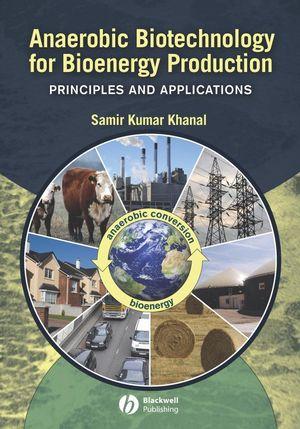
Anaerobic Biotechnology for Bioenergy Production
0
0
As an Amazon Associate and affiliate partner, Menrva Books earns from qualifying purchases. Learn more
Author Description
Technological advances have improved the quality of life throughout the 20th Century. Although we have been quick to enjoy the benefits of our technological prowess, we have been slow to acknowledge its negative consequences. Increasingly, we are forced to confront these negative consequences: climate change, increased global demand for energy, growing energy insecurity, and continuous exploitation of limited natural resources. World energy demand is expected to grow by as much as 50 percent by 2025, mainly due to increasing demand from rapidly growing Asian countries such as China and India. Sustainability must be the foundation for economic growth in the 21st century. We need to re-direct our efforts toward bioenergy production from renewable, low cost and locally available feedstocks such as biowastes and agri-residues. Such efforts will not only alleviate environmental pollution, but also reduce energy insecurity and demand for declining natural resources. The most cost-effective and sustainable approach is to employ a biotechnology option. Anaerobic biotechnology is a sustainable technology that generates renewable bioenergy and biofuels and helps us achieve our environmental and energy objectives. Information on this subject is limited, and this textbook will be a first reference for both undergraduate and graduate students, researchers, instructors, consulting engineers, and others interested in bioenergy. The book is intended to be a useful resource to both engineering and science students in agricultural, biological, chemical and environmental engineering, renewable energy, and bioresource technology. The book does not assume a previous background in anaerobic biotechnology, although most readers should have a good working knowledge of science or engineering. The first six chapters cover the fundamental aspects of anaerobic processes. The remaining six chapters focus on applications with an emphasis on bioenergy production from wastes and agri-residues.
Menrva's Summary
THE THESIS
The book investigates the potential of anaerobic biotechnology as a sustainable solution to global energy challenges. Anaerobic biotechnology offers a cost-effective and environmentally sound method for producing bioenergy and biofuels from readily available feedstocks like biowastes and agri-residues. This textbook aims to serve as a primary reference for students, researchers, and professionals interested in bioenergy, bridging the gap in current information on the subject. It is designed to be accessible to those with a solid science or engineering background, providing foundational knowledge before delving into specific applications.
THE SCOPE MAP
- Fundamental principles of anaerobic processes across the first six chapters.
- Detailed applications of anaerobic biotechnology with a focus on bioenergy production.
- Coverage of bioenergy generation from agricultural residues and biowastes.
- Discussion of environmental and energy objectives achievable through anaerobic biotechnology.
- Intended audience includes undergraduate and graduate students, researchers, and engineers.
- Assumes a working knowledge of science or engineering, but not prior expertise in anaerobic biotechnology.
THE AUTHORITY PERSPECTIVE
This textbook is positioned as a foundational reference for students and professionals in bioenergy and related engineering fields. Its structure, moving from fundamental principles to applied bioenergy production, suggests a comprehensive approach to the subject. The book aims to address a gap in readily available information, making it a potentially valuable resource for those seeking to understand and implement anaerobic biotechnology for sustainable energy solutions.
Page Count:
0
Publication Date:
2008-01-01
ISBN-10:
0813823463
ISBN-13:
9780813823461
Non-Fiction
Science & Technology
Science
Engineering
Community Tags
Similar Books