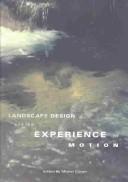
Landscape Design and Experience of Motion
0
0
As an Amazon Associate and affiliate partner, Menrva Books earns from qualifying purchases. Learn more
Author Description
Author description coming soon. We're reaching out to them in the ether...
Menrva's Summary
THE THESIS
This book investigates how the design of landscapes influences human perception and experience, particularly concerning the sensation of motion. It explores the relationship between spatial design, psychological responses, and the way individuals navigate and interact with their environment. The work draws on principles of environmental psychology, architectural theory, and landscape architecture to analyze how designed spaces can evoke feelings of movement, speed, or stillness. By examining case studies and theoretical frameworks, the book aims to provide a deeper understanding of the experiential qualities of the built environment.
THE SCOPE MAP
- Analysis of how landscape design elements (e.g., pathways, vistas, topography) affect the perception of motion.
- Exploration of the psychological impact of designed spaces on human movement and spatial awareness.
- Case studies examining historical and contemporary landscape projects and their experiential qualities.
- Theoretical frameworks connecting environmental psychology, phenomenology, and landscape architecture.
- Discussion on the role of sensory perception in shaping the experience of moving through designed landscapes.
- Insights into how designers can intentionally shape the experience of motion in their projects.
THE AUTHORITY PERSPECTIVE
The book is recognized for its interdisciplinary approach, bridging landscape architecture with environmental psychology to offer a nuanced perspective on spatial experience. Its focus on the perception of motion within designed environments provides a unique lens through which to analyze the effectiveness and impact of landscape designs. The work is likely to appeal to academics, designers, and students interested in the experiential qualities of the built environment and the psychological underpinnings of spatial design.
Page Count:
336
Publication Date:
2003-01-01
ISBN-10:
0884022935
ISBN-13:
9780884022930
Architecture
Non-Fiction
History
Environmental Psychology
urban planning
Community Tags
Similar Books