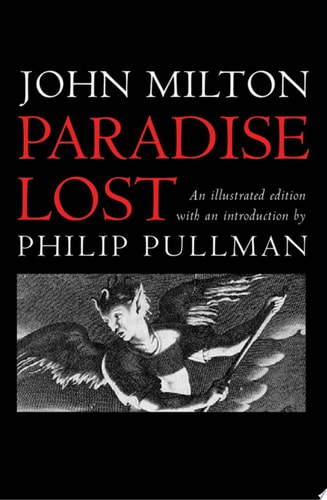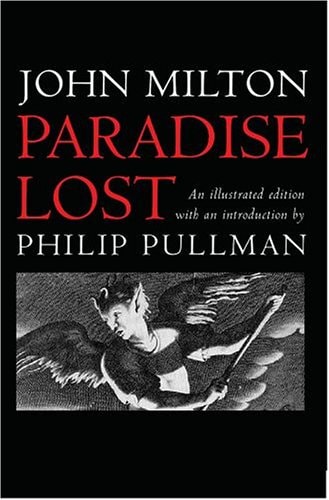
Paradise Lost
0
0
As an Amazon Associate and affiliate partner, Menrva Books earns from qualifying purchases. Learn more
Author Description
John Milton's Paradise Lost is one of the greatest epic poems in the English language. It tells the story of the Fall of Man, a tale of immense drama and excitement, of rebellion and treachery, of innocence pitted against corruption, in which God and Satan fight a bitter battle for control of mankind's destiny. The struggle rages across three worlds - heaven, hell, and earth - as Satan and his band of rebel angels plot their revenge against God. At the center of the conflict are Adam and Eve, who are motivated by all too human temptations but whose ultimate downfall is unyielding love. Marked by Milton's characteristic erudition, Paradise Lost is a work epic both in scale and, notoriously, in ambition. For nearly 350 years, it has held generation upon generation of audiences in rapt attention, and its profound influence can be seen in almost every corner of Western culture.
Menrva's Summary
THE PULSE
The epic narrative centers on the rebellion of Satan against God and the subsequent temptation of Adam and Eve in the Garden of Eden. The poem follows the fallen angel Satan as he orchestrates a plot to corrupt humanity, while God observes and maintains the cosmic order. Adam and Eve navigate their existence in paradise, eventually facing the psychological and physical consequences of their disobedience. The narrative is structured as a grand epic poem, utilizing blank verse to convey the scale of the conflict across heaven, hell, and earth.
INSIDE THE PAGES
- Utilization of blank verse throughout the twelve-book structure
- Exploration of theological themes including free will and divine justice
- Detailed characterization of Satan as a complex, defiant antagonist
- Vivid descriptions of the geography of Hell and the celestial realms
- Incorporation of classical epic conventions such as the invocation of the muse
- Examination of the domestic and psychological dynamics between Adam and Eve
- Allegorical representation of political rebellion and authority
- Philosophical inquiry into the nature of temptation and human fallibility
THE COLLECTIVE ECHO
Readers and critics frequently analyze the work for its complex portrayal of Satan, often debating whether he serves as a sympathetic figure or a cautionary archetype of pride. Discussion often centers on the tension between Milton's theological objectives and the aesthetic power of his verse. Scholars highlight the poem's profound influence on Western literature, noting how it shapes subsequent perceptions of morality and the human condition. The pacing is often described as deliberate and grand, reflecting the epic scope of the subject matter. Many readers find the intellectual density of the language to be a defining feature that requires careful attention to appreciate the nuance of the arguments presented.
Page Count:
0
Publication Date:
2005-01-01
Publisher:
Oxford University Press
ISBN-10:
0199202885
ISBN-13:
9780199202881
Poetry
Fantasy
Religious
classic
Epic
Themes & Styles