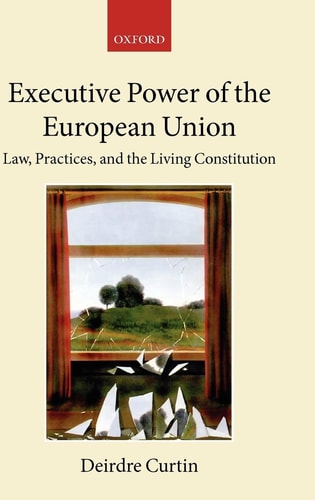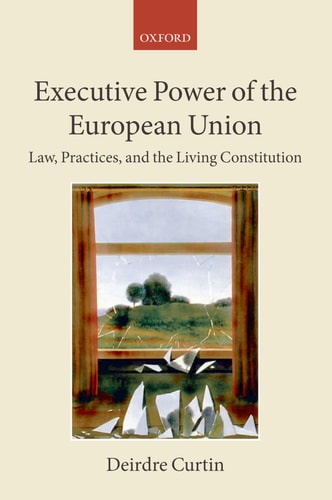
Executive Power of the European Union: Law, Practices, and the Living Constitution
0
0
As an Amazon Associate and affiliate partner, Menrva Books earns from qualifying purchases. Learn more
Author Description
The picture of Brussels-based bureaucrats exercising wide-ranging, arbitrary executive powers with no accountability is one of the favorite images conjured by Eurosceptics across the political spectrum. What truth is there in the image? This book aims to bring the EU's executive powers out of the shadows by mapping the evolution and current form of the EU's various executive actors, their powers, and the mechanisms for holding them accountable. In doing so it provides a rich understanding of the way in which the EU's institutional and legal framework fits within national constitutional presumptions about how power should be controlled and accountability achieved.Covering both the political executive and the administrative executive at the EU institutional level, the book analyzes their relationship with national executive power, and traces the historical evolution of executive order in Europe from the Peace of Westphalia through classic inter-governmental organizations to the allegedly unique EU framework. The book's analysis covers both the formal legal structure of the Union and the evolution of the EU's living institutions in practice. The picture presented is of a fragmented, cluttered and complex European executive space, resistant to radical constitutional reform and in need of a more nuanced understanding of the different forms of executive power required by different political aims and modes of decision-making.
Menrva's Summary
THE THESIS
This book investigates the nature, legitimacy, and accountability of executive power within the European Union, questioning the validity of common perceptions regarding arbitrary bureaucratic control. Deirdre Curtin, a scholar of European law, utilizes a combination of historical analysis and legal institutional mapping to examine how the EU's executive functions have evolved. She argues that the EU operates within a fragmented and complex executive space that defies traditional national constitutional models, necessitating a more sophisticated approach to oversight and decision-making.
THE SCOPE MAP
What You Will Find
- Historical evolution of executive order from the Peace of Westphalia to modern inter-governmental organizations.
- Analysis of the distinction between political and administrative executive actors at the EU level.
- Examination of the interplay between EU institutional frameworks and national constitutional systems.
- Assessment of accountability mechanisms within the current, cluttered European executive landscape.
THE AUTHORITY PERSPECTIVE
Experts recognize this work as a foundational text for understanding the complexities of EU governance and the practical realities of its institutional structure. Readers frequently note the academic density of the prose, which provides a rigorous examination of legal and political theory for scholars and practitioners alike.
Page Count:
350
Publication Date:
2009-11-09
Publisher:
Oxford University Press
ISBN-10:
0199264090
ISBN-13:
9780199264094
History
Constitutional Law
Governance
European Union
Executive power
Law
Community Tags
Similar Books