The Siege of Strasbourg
0
0
As an Amazon Associate and affiliate partner, Menrva Books earns from qualifying purchases. Learn more
Author Description
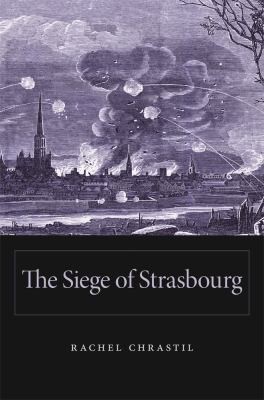
When war broke out between France and Prussia in the summer of 1870, one of the first targets of the invading German armies was Strasbourg. From August 15 to September 27, Prussian forces bombarded this border city, killing hundreds of citizens, wounding thousands more, and destroying many historic buildings and landmarks. For six terror-filled weeks, “the city at the crossroads” became the epicenter of a new kind of warfare whose indiscriminate violence shocked contemporaries and led to debates over the wartime protection of civilians. The Siege of Strasbourg recovers the forgotten history of this crisis and the experiences of civilians who survived it. Rachel Chrastil shows that many of the defining features of “total war,” usually thought to be a twentieth-century phenomenon, characterized the siege. Deploying a modern tactic that traumatized city-dwellers, the Germans purposefully shelled nonmilitary targets. But an unintended consequence was that outsiders were prompted to act. Intervention by the Swiss on behalf of Strasbourg’s beleaguered citizens was a transformative moment: the first example of wartime international humanitarian aid intended for civilians. Weaving firsthand accounts of suffering and resilience through her narrative, Chrastil examines the myriad ethical questions surrounding what is “legal” in war and what rights civilians trapped in a war zone possess. The implications of the siege of Strasbourg far exceed their local context, to inform the dilemmas that haunt our own age—in which collateral damage and humanitarian intervention have become a crucial part of our strategic vocabulary.
Menrva's Summary
THE THESIS
The Siege of Strasbourg examines the brutal bombardment of a French city by Prussian forces in 1870 and its profound implications for modern warfare and humanitarian aid. The book details the six weeks of terror from August 15 to September 27, 1870, when Strasbourg was subjected to indiscriminate shelling that devastated the city and its inhabitants. Rachel Chrastil highlights how this siege foreshadowed the characteristics of
THE SCOPE MAP
- The historical context of the Franco-Prussian War and the strategic importance of Strasbourg.
- Detailed accounts of the civilian experience during the bombardment, including suffering and resilience.
- Analysis of the German military's deployment of new tactics, including the deliberate targeting of non-military sites.
- The emergence of wartime international humanitarian aid, exemplified by Swiss intervention on behalf of Strasbourg's civilians.
- Exploration of the ethical questions surrounding the legality of warfare and the rights of civilians in war zones.
- The long-term implications of the siege for the development of 'total war' and humanitarian intervention concepts.
THE AUTHORITY PERSPECTIVE
Rachel Chrastil's "The Siege of Strasbourg" is recognized for its meticulous recovery of a pivotal, yet often overlooked, historical event. The book is lauded for its detailed examination of civilian experiences during the 1870 bombardment, revealing how early instances of 'total war' tactics emerged. It is particularly noted for its analysis of the siege's role in the development of international humanitarian aid. The work effectively connects the historical dilemmas of Strasbourg to contemporary debates on collateral damage and intervention.
Page Count:
302
Publication Date:
2014-01-01
ISBN-10:
0674728866
ISBN-13:
9780674728868
History
Non-Fiction
Warfare
Military History
European History
Community Tags
Similar Books