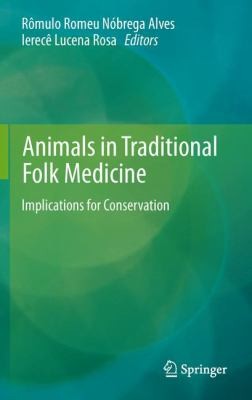
Animals in Traditional Folk Medicine
0
0
As an Amazon Associate and affiliate partner, Menrva Books earns from qualifying purchases. Learn more
Author Description
People have relied on medicinal products derived from natural sources for millennia, and animals have long been an important part of that repertoire; nearly all cultures, from ancient times to the present, have used animals as a source of medicine. Ingredients derived from wild animals are not only widely used in traditional remedies, but are also increasingly valued as raw materials in the preparation of modern medicines. Regrettably, the unsustainable use of plants and animals in traditional medicine is recognized as a threat to wildlife conservation, as a result of which discussions concerning the links between traditional medicine and biodiversity are becoming increasingly imperative, particularly in view of the fact that folk medicine is the primary source of health care for 80% of the world’s population. This book discusses the role of animals in traditional folk medicine and its meaning for wildlife conservation. We hope to further stimulate further discussions about the use of biodiversity and its implications for wildlife conservation strategies.
Menrva's Summary
THE THESIS
This book investigates the historical and ongoing use of animals in traditional folk medicine and its critical implications for wildlife conservation. The author, R. R. N. Alves, draws upon extensive research to explore how diverse cultures across millennia have utilized animal-derived products for medicinal purposes. The text examines the increasing value of these ingredients in modern medicine while simultaneously highlighting the urgent need to address the unsustainable exploitation of wildlife driven by traditional practices. It aims to foster crucial discussions on the intersection of biodiversity and conservation strategies, particularly given that folk medicine remains the primary healthcare source for a significant portion of the global population.
THE SCOPE MAP
- The historical and cross-cultural use of animals in traditional remedies.
- The role of animal-derived ingredients in modern medicine.
- The impact of traditional medicine practices on wildlife conservation.
- The significance of biodiversity in folk medicine and conservation strategies.
- Case studies and examples from various global cultures.
THE AUTHORITY PERSPECTIVE
The book addresses a critical intersection of ethnobiology and conservation, exploring the dual role of animals as medicinal resources and species requiring protection. Its focus on the global reliance on folk medicine and the subsequent pressure on wildlife suggests a comprehensive examination of these complex relationships. The author's stated hope is to stimulate further discussion, indicating the work is positioned as a contribution to ongoing scientific and conservation dialogues rather than a definitive conclusion.
Page Count:
491
Publication Date:
2012-01-01
ISBN-10:
3642290256
ISBN-13:
9783642290251
Non-Fiction
Animals
History
Science
Wildlife conservation
Biodiversity
Folk Medicine
Ethnobotany
Community Tags
Similar Books