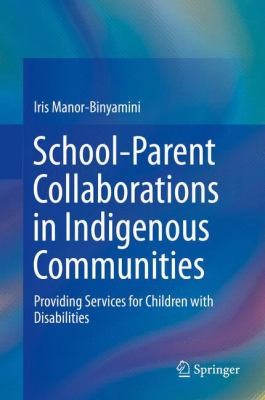
School-Parent Collaborations in Indigenous Communities
0
0
As an Amazon Associate and affiliate partner, Menrva Books earns from qualifying purchases. Learn more
Author Description
Poverty. Lack of social support. Limited access to education. High risk for health problems. Indigenous communities face an inordinate number of hardships. But when children have special needs, these problems multiply exponentially, making existing difficulties considerably worse. School-Parent Collaborations in Indigenous Communities: Providing Services for Children with Disabilities begins with an in-depth overview of indigenous experience and psychology, and situates disabilities within the contexts of indigenous communities and education services. The pilot study at the core of the book, conducted among the Bedouins of southern Israel, shows this knowledge in action as special education personnel engage parents in interventions for their children. Going beyond facile concepts of cultural sensitivity, the model recasts professionals as cultural mediators between school and family. This practice-oriented information has the potential to improve not only the well-being of children and families, but of the greater community as well. Featured in the coverage: Unique characteristics of indigenous communities and children with disabilities. Psychological models of reactions to disability. Benefits of multidisciplinary teams. Factors affecting collaboration between indigenous parents of children with disabilities and school professionals. Core principles of indigenously attuned collaboration. An extended case study on collaboration between parents of children with disabilities and school professionals in a Bedouin community. School-Parent Collaborations in Indigenous Communities is a breakthrough resource for researchers, graduate students, and professionals working with special needs children in child and school psychology, international and comparative education, social work, cross-cultural psychology, public health, and educational psychology.
Menrva's Summary
THE THESIS
This book investigates the complex challenges faced by Indigenous communities when providing services for children with disabilities. It begins by examining the unique characteristics of Indigenous experiences and psychology, situating disabilities within the specific contexts of these communities and their educational systems. The core of the book presents a pilot study conducted among the Bedouins of southern Israel, demonstrating a model where special education personnel collaborate with parents in interventions for their children. This approach moves beyond superficial cultural sensitivity to position professionals as cultural mediators, aiming to improve the well-being of children, families, and the broader community.
THE SCOPE MAP
- Unique characteristics of Indigenous communities and children with disabilities.
- Psychological models of reactions to disability.
- Benefits of multidisciplinary teams.
- Factors affecting collaboration between Indigenous parents of children with disabilities and school professionals.
- Core principles of indigenously attuned collaboration.
- An extended case study on collaboration between parents of children with disabilities and school professionals in a Bedouin community.
THE AUTHORITY PERSPECTIVE
The book is presented as a breakthrough resource for professionals and researchers working with special needs children in various fields, including child and school psychology, international and comparative education, social work, cross-cultural psychology, public health, and educational psychology. The described model of professionals acting as cultural mediators between schools and families is highlighted as a key contribution. The practice-oriented information is intended to improve outcomes for children and families within Indigenous communities.
Page Count:
198
Publication Date:
2013-01-01
ISBN-10:
1461489830
ISBN-13:
9781461489832
Non-Fiction
Self-help
Health
Philosophy
Psychology
Special Education
Educational psychology
Social Work
Public Health
Community Tags
Similar Books