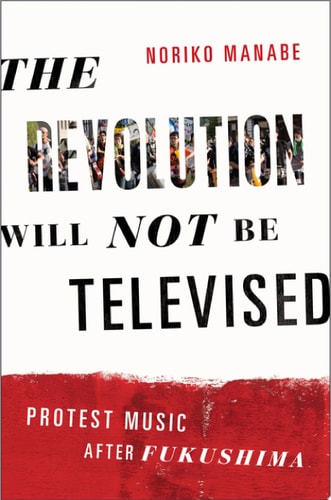
The Revolution Will Not Be Televised
0
0
As an Amazon Associate and affiliate partner, Menrva Books earns from qualifying purchases. Learn more
Author Description
Nuclear Power Has Been A Contentious Issue In Japan Since The 1950s, And In The Aftermath Of The Fukushima Nuclear Power Plant Disaster, The Conflict Has Only Grown. Government Agencies And The Nuclear Industry Continue To Push A Nuclear Agenda, While The Mainstream Media Adheres To The Official Line That Nuclear Power Is Japan's Future. Public Debate About Nuclear Energy Is Strongly Discouraged. Nevertheless, Antinuclear Activism Has Swelled Into One Of The Most Popular And Passionate Movements In Japan, Leading To A Powerful Wave Of Protest Music. The Revolution Will Not Be Televised: Protest Music After Fukushima Shows That Music Played A Central Role In Expressing Antinuclear Sentiments And Mobilizing Political Resistance In Japan. Combining Musical Analysis With Ethnographic Participation, Author Noriko Manabe Offers An Innovative Typology Of The Spaces Central To The Performance Of Protest Music--cyberspace, Demonstrations, Festivals, And Recordings. She Argues That These Four Spaces Encourage Different Modes Of Participation And Methods Of Political Messaging. The Openness, Mobile Accessibility, And Potential Anonymity Of Cyberspace Have Allowed Musicians To Directly Challenge The Ethos Of Silence That Permeated Japanese Culture Post-fukushima. Moving From Cyberspace To Real Space, Manabe Shows How The Performance And Reception Of Music Played At Public Demonstrations Are Shaped By The Urban Geographies Of Japanese Cities. While Short On Open Public Space, Urban Centers In Japan Offer Protesters A Wide Range Of Governmental And Commercial Spaces In Which To Demonstrate, With Activist Musicians Tailoring Their Performances To The Particular Landscapes And Soundscapes Of Each. Music Festivals Are A Space Apart From Everyday Life, Encouraging Musicians And Audience Members To Freely Engage In Political Expression Through Informative And Immersive Performances. Conversely, Japanese Record Companies And Producers Discourage Major-label Musicians From Expressing Po
Menrva's Summary
THE THESIS
This book investigates how protest music functioned as a primary vehicle for political mobilization and public dissent in Japan following the 2011 Fukushima nuclear disaster. Author Noriko Manabe, an ethnomusicologist, utilizes a combination of ethnographic fieldwork and musical analysis to examine how musicians challenged the prevailing pro-nuclear consensus. She presents a framework categorizing protest music into four distinct performance spaces, arguing that each environment dictates specific methods of political messaging and audience engagement.
THE SCOPE MAP
What You Will Find
- An analysis of four distinct performance spaces: cyberspace, public demonstrations, music festivals, and commercial recordings.
- A typology of how urban geography and soundscapes influence the reception of protest music in Japanese cities.
- Ethnographic data gathered through participant observation of antinuclear movements and interviews with activist musicians.
- An examination of the tension between independent artists and major-label corporate constraints regarding political expression.
THE AUTHORITY PERSPECTIVE
Experts in ethnomusicology and Japanese studies recognize this work as a significant contribution to the study of contemporary social movements and media. Readers frequently note the academic rigor of the text, highlighting its effectiveness in bridging the gap between musicology and political sociology.
Page Count:
288
Publication Date:
2015-01-01
Publisher:
Oxford University Press
ISBN-10:
0199334706
ISBN-13:
9780199334704
History
Music
Activism
Sociology
Japan
Community Tags
Similar Books