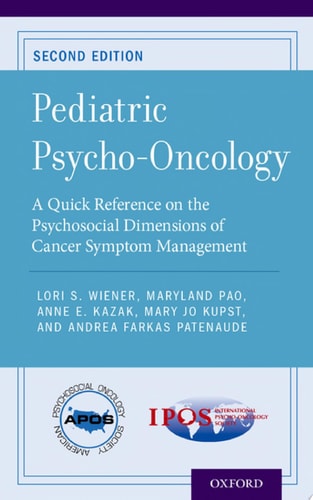
Pediatric Psycho-Oncology: A Quick Reference on the Psychosocial Dimensions of Cancer Symptom Management
0
0
As an Amazon Associate and affiliate partner, Menrva Books earns from qualifying purchases. Learn more
Author Description
Pediatric Psycho-Oncology is a comprehensive handbook that provides best practice models for the management of psychological, cognitive, and social outcomes of adolescents living with cancer and their families. Chapters cover a wide range of topics including psychological aspects of particular pediatric cancers and their treatments, how to talk to a child and family at critical times during the disease course, genetic testing, individual, family, educational, psychological and psychiatric interventions, and caring for international patients. Each chapter highlights the necessity of embracing an interdisciplinary approach to ensure that each child has the best options for living with cancer and, when cure is not possible, that death occurs with as much dignity as possible for the child and family. An extensive resource section is appended to provide information on written, online, video, community, national and international services and programs. This book features contributions from experts designed to help clinicians review, anticipate and respond to emotional issues that often arise in the context of treating pediatric cancer patients. Numerous cross-references and succinct tables and figures make this concise reference easy to use. Pediatric Psycho-Oncology is an ideal resource for helping pediatric oncologists and nurses recognize when it may be best to refer patients to their mental health colleagues and for those who are establishing pediatric oncology services or adding psychosocial components to existing clinics.
Menrva's Summary
THE THESIS
This handbook investigates the critical psychosocial dimensions of pediatric cancer care, aiming to provide clinicians with a structured framework for managing the psychological, cognitive, and social outcomes of patients and their families. The authors, Anne E. Kazak, Lori S. Wiener, and Maryland Pao, leverage their extensive clinical expertise to synthesize best practice models for interdisciplinary oncology teams. The text argues that effective symptom management requires a holistic approach that integrates mental health support directly into the medical treatment trajectory.
THE SCOPE MAP
What You Will Find
- Clinical protocols for addressing psychological aspects of specific pediatric cancer diagnoses and treatment regimens.
- Communication strategies for navigating critical disease milestones with children and their families.
- Methodologies for implementing individual, family, and educational interventions within an oncology setting.
- Comprehensive resource directories for community, national, and international support services.
THE AUTHORITY PERSPECTIVE
Experts identify this handbook as a foundational reference for pediatric oncologists and nurses seeking to integrate psychosocial care into their clinical practice. Readers frequently note the practical utility of the succinct tables and cross-references, which facilitate rapid decision-making in high-pressure medical environments.
Page Count:
432
Publication Date:
2015-01-01
Publisher:
Oxford University Press
ISBN-10:
0199335133
ISBN-13:
9780199335138
Psychology
Medical
Allied Health
Medicine
Reference
Oncology
Pediatrics
Community Tags
Similar Books