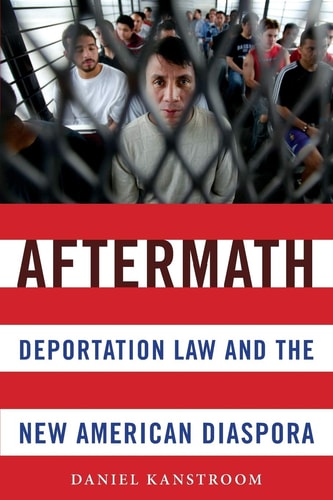
Aftermath: Deportation Law and the New American Diaspora
0
0
As an Amazon Associate and affiliate partner, Menrva Books earns from qualifying purchases. Learn more
Author Description
Since 1996, when new, harsher deportation laws went into effect, the United States has deported millions of noncitizens back to their countries of origin. While the rights of immigrants-with or without legal status--as well as the appropriate pathway to legal status are the subject of much debate, hardly any attention has been paid to what actually happens to deportees once they "pass beyond our aid." In fact, we have fostered a new diaspora of deportees, many of whom are alone and isolated, with strong ties to their former communities in the United States.Daniel Kanstroom, author of the authoritative history of deportation, Deportation Nation, turns his attention here to the current deportation system of the United States and especially deportation's aftermath: the actual effects on individuals, families, U.S. communities, and the countries that must process and repatriate ever-increasing numbers of U.S. deportees. Few know that once deportees have been expelled to places like Guatemala, Cambodia, Haiti, and El Salvador, many face severe hardship, persecution and, in extreme instances, even death.Addressing a wide range of political, social, and legal issues, Kanstroom considers whether our deportation system "works" in any meaningful sense. He also asks a number of under-examined legal and philosophical questions: What is the relationship between the "rule of law" and the border? Where do rights begin and end? Do (or should) deportees ever have a "right to return"? After demonstrating that deportation in the U.S. remains an anachronistic, ad hoc, legally questionable affair, the book concludes with specific reform proposals for a more humane and rational deportation system.
Menrva's Summary
THE THESIS
This book investigates the systemic failures and human consequences of United States deportation policies enacted since 1996. Daniel Kanstroom, a professor of law and expert in immigration history, utilizes legal analysis and field observations to argue that the current deportation framework is anachronistic and lacks a coherent moral or legal foundation. He examines the disconnect between the enforcement of border laws and the subsequent reality faced by individuals expelled to countries where they often lack support or safety.
THE SCOPE MAP
What You Will Find
- Analysis of the 1996 legislative changes to U.S. immigration law.
- Case studies of deportees in countries including Guatemala, Cambodia, Haiti, and El Salvador.
- Examination of the philosophical and legal boundaries of the rule of law regarding borders.
- Proposed policy reforms aimed at creating a more rational and humane deportation system.
THE AUTHORITY PERSPECTIVE
Legal scholars and policy analysts frequently cite this work as a critical examination of the post-deportation experience. Experts highlight the text for its rigorous legal scrutiny and its focus on the often-overlooked human rights implications of current immigration enforcement.
Page Count:
260
Publication Date:
2014-01-01
Publisher:
Oxford University Press
ISBN-10:
0199331421
ISBN-13:
9780199331420
Rule Of Law
Professional Career & Trade
Immigration
United States
Law
Deportation
Public Policy
Sociology
Human rights
Community Tags
Similar Books