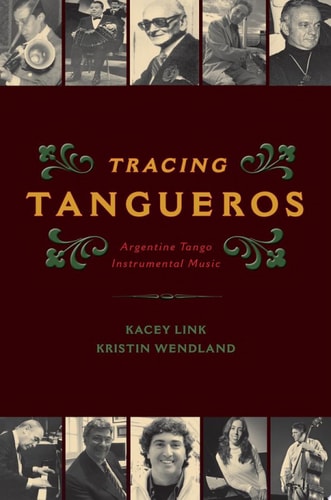
Tracing Tangueros
0
0
As an Amazon Associate and affiliate partner, Menrva Books earns from qualifying purchases. Learn more
Author Description
Tracing Tangueros Offers An Inside View Of Argentine Tango Music In The Context Of The Growth And Development Of The Art Form's Instrumental And Stylistic Innovations. Rather Than Perpetuating The Glamorous Worldwide Conceptions That Often Only Reflect The Tango That Left Argentina Nearly 100 Years Ago, Authors Kacey Link And Kristin Wendland Trace Tango's Historical And Stylistic Musical Trajectory In Argentina, Beginning With The Guardia Nueva's Crystallization Of The Genre In The 1920s, Moving Through Tango's Golden Age (1932-1955), And Culminating With The Music Of Buenos Aires Today. Through The Transmission, Discussion, Examination, And Analysis Of Primary Sources Currently Unavailable Outside Of Argentina, Including Scores, Manuals Of Style, Archival Audio/video Recordings, And Live Video Footage Of Performances And Demonstrations, Link And Wendland Frame And Define Argentine Tango Music As A Distinct Expression Possessing Its Own Musical Legacy And Characteristic Musical Elements. Beginning By Establishing A Broad Framework Of The Tango Art Form, The Book Proceeds To Move Through Twelve In-depth Profiles Of Representative Tangueros (tango Musicians) Within The Genre's Historical And Stylistic Trajectory. Through This Focused Examination Of Tangueros And Their Music, Link And Wendland Show How The Dynamic Argentine Tango Grows From One Tanguero Linked To Another, And How The Composition Techniques And Performance Practices Of Each Generation Are Informed By That Of The Past.
Menrva's Summary
THE THESIS
This book investigates the historical and stylistic evolution of Argentine tango music by examining the specific contributions and lineages of its most influential musicians. Authors Kacey Link and Kristin Wendland utilize their expertise in musicology to challenge common international misconceptions about tango, which often rely on outdated, romanticized imagery. By analyzing primary sources—including rare scores, performance manuals, and archival recordings—the authors construct a rigorous framework that defines tango as a sophisticated, evolving musical tradition rooted in the specific cultural context of Buenos Aires.
THE SCOPE MAP
What You Will Find
- A chronological analysis of tango from the 1920s Guardia Nueva through the Golden Age to contemporary practices.
- Twelve in-depth profiles of representative tangueros detailing their specific compositional techniques and performance styles.
- Extensive use of primary source materials, such as archival audio, video footage, and original musical scores.
- A methodology that tracks the transmission of musical knowledge and stylistic innovation across generations of performers.
THE AUTHORITY PERSPECTIVE
Experts and musicologists recognize this work as a significant contribution to the study of Argentine music, particularly for its access to previously unavailable primary sources. Readers frequently note the academic density of the prose, which provides a comprehensive and scholarly foundation for understanding the technical nuances of the genre.
Page Count:
320
Publication Date:
2016-01-01
Publisher:
Oxford University Press
ISBN-10:
0199348251
ISBN-13:
9780199348251
Music
Biography
History
Argentina
Community Tags
Similar Books