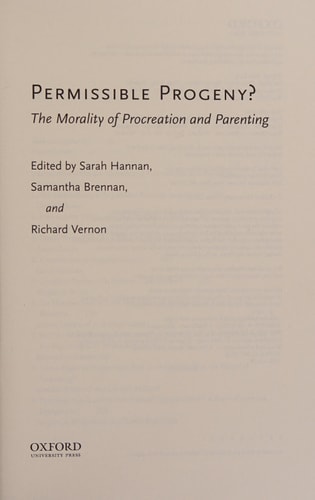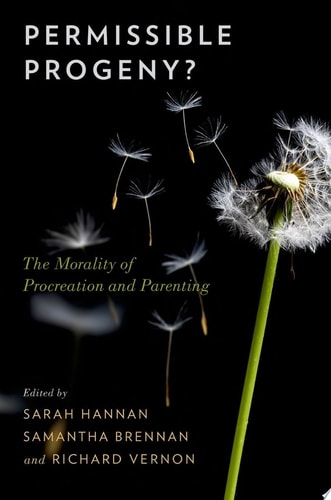
Permissible Progeny: The Morality of Procreation and Parenting
0
0
As an Amazon Associate and affiliate partner, Menrva Books earns from qualifying purchases. Learn more
Author Description
This volume contributes to the growing literature on the morality of procreation and parenting. About half of the chapters take up questions about the morality of bringing children into existence. They discuss the following questions: Is it wrong to create human life? Is there a connection between the problem of evil and the morality of procreation? Could there be a duty to procreate? How do the environmental harms imposed by procreation affect its moral status? Given these costs, is the value of establishing genetic ties ever significant enough to render procreation morally permissible? And how should government respond to peoples' motives for procreating?The other half of the volume considers moral and political questions about adoption and parenting. One chapter considers whether the choice to become a parent can be rational. The two following chapters take up the regulation of adoption, focusing on whether the special burdens placed on adoptive parents, as compared to biological parents, can be morally justified. The book concludes by considering how we should conceive of adequacy standards in parenting and what resources we owe to children.This collection builds on existing literature by advancing new arguments and novel perspectives on existing debates. It also raises new issues deserving of our attention. As a whole it is sure to generate further philosophical debate on pressing and rich questions surrounding the bearing and rearing of children.
Menrva's Summary
THE THESIS
This volume investigates the ethical dimensions of procreation and the moral obligations inherent in parenting. The authors, Richard Vernon, Samantha Brennan, and Sarah Hannan, curate a collection of philosophical essays that examine the moral status of bringing new life into the world and the subsequent responsibilities of caregivers. By synthesizing diverse perspectives, the text challenges conventional assumptions regarding reproductive rights, environmental impacts, and the state's role in regulating family structures.
THE SCOPE MAP
What You Will Find
- Philosophical inquiry into the morality of bringing children into existence
- Analysis of the environmental and ethical costs associated with procreation
- Comparative study of the regulatory burdens placed on adoptive versus biological parents
- Examination of adequacy standards in parenting and the allocation of resources to children
THE AUTHORITY PERSPECTIVE
Experts identify this collection as a significant contribution to contemporary moral philosophy, particularly for its focus on the intersection of reproductive ethics and political theory. Readers frequently note the academic density of the prose, which serves as a rigorous resource for scholars and students engaged in debates surrounding family ethics.
Page Count:
288
Publication Date:
2015-10-05
Publisher:
Oxford University Press
ISBN-10:
0199378126
ISBN-13:
9780199378128
Philosophy
Social Issues
Human Reproduction
Ethics
Political Philosophy
Child rearing
Parenting
Community Tags
Similar Books