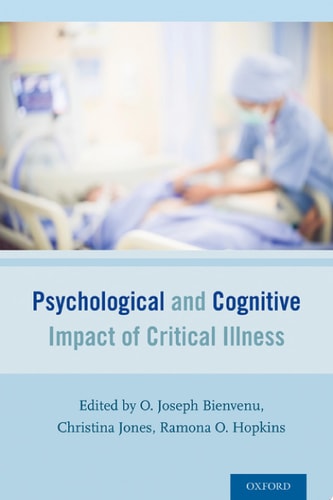
Psychological and Cognitive Impact of Critical Illness
0
0
As an Amazon Associate and affiliate partner, Menrva Books earns from qualifying purchases. Learn more
Author Description
Neuropsychiatric problems after critical illness are receiving increasing attention, particularly in the critical care medicine literature, but mental health and primary care clinicians should also be interested in these common problems, given the growing number of critical illness survivors who need care. Patients frequently come out of the intensive care unit (ICU) with horrifying distorted memories and don't understand what has happened to them. Not only are patients debilitated with ICU-acquired weakness and cognitive impairment, they are traumatized by actual experiences (e.g., shortness of breath and pain) and distorted memories (of being tortured, raped, assaulted, or imprisoned) shaped by delirium. Patients' family members are also frequently quite distressed, and children surviving critical illnesses appear to have similar experiences to adults. This book provides an overview of the nature and epidemiology of cognitive and other psychiatric problems in this growing population, and it addresses the small but growing literature on prevention and early intervention efforts. Addressing these problems successfully will require collaborative interventions, both in-ICU and post-ICU.
Menrva's Summary
THE THESIS
This book investigates the prevalence, nature, and long-term consequences of neuropsychiatric and cognitive impairments in survivors of critical illness. The authors, experts in critical care medicine and psychology, synthesize existing clinical data to address the intersection of physical trauma and mental health. They argue that the high incidence of delirium-induced trauma and cognitive decline necessitates a collaborative, multidisciplinary approach to patient care that extends well beyond the intensive care unit.
THE SCOPE MAP
What You Will Find
- Epidemiological data regarding cognitive impairment and psychiatric disorders in ICU survivors
- Analysis of the relationship between delirium and the formation of distorted, traumatic memories
- Clinical frameworks for early intervention and prevention strategies
- Evidence-based discussions on the impact of critical illness on both adult and pediatric patients
THE AUTHORITY PERSPECTIVE
Experts recognize this text as a vital resource for clinicians navigating the complexities of post-ICU recovery. Readers frequently note the clinical density of the research, which serves as a foundational reference for medical professionals seeking to improve long-term patient outcomes.
Page Count:
240
Publication Date:
2017-06-13
Publisher:
Oxford University Press
ISBN-10:
0199398690
ISBN-13:
9780199398690
Psychology
Critical Care
Critically Ill
Mental Health
Neurology
Medical
Community Tags
Similar Books