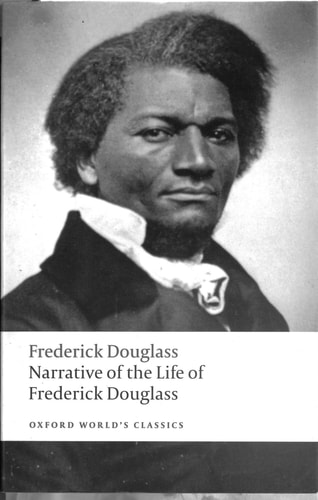
Narrative of the Life of Frederick Douglass, an American Slave
0
0
As an Amazon Associate and affiliate partner, Menrva Books earns from qualifying purchases. Learn more
Author Description
"I was born in Tuckahoe. I have no accurate knowledge of my age, never having seen any authentic record containing it. By far the larger part of the slaves know as little of their ages as horses know of theirs, and it is the wish of most masters within my knowledge to keep their slaves thus ignorant."So begins the now-classic personal account of Frederick Douglass (1818-1895), who was born into slavery in Maryland and after his escape to Massachusetts in 1838 became an ardent abolitionist and campaigner for women's rights. His Narrative, which was an instant bestseller upon publication in 1845, relates his experience as a slave, the cruelty he suffered at the hands of his masters, his struggle to educate himself, and his fight for freedom.Written with much passion, and with no small degree of striking biblical imagery, the Narrative came to assume epic proportions as a fundamental anti-slavery text, an accessible record in which the author had carefully crafted both his life story and his persona. The introduction and notes for this new edition fully examine Douglass--the man and the myth--while also considering both his complex relationship with women and the enduring power of his autobiography. Other highlights include extracts from Douglass's primary sources and examples of his writing on women's rights.About the Series: For over 100 years Oxford World's Classics has made available the broadest spectrum of literature from around the globe. Each affordable volume reflects Oxford's commitment to scholarship, providing the most accurate text plus a wealth of other valuable features, including expert introductions by leading authorities, voluminous notes to clarify the text, up-to-date bibliographies for further study, and much more.
Menrva's Summary
THE THESIS
This work investigates the dehumanizing mechanics of American chattel slavery and the intellectual reclamation of selfhood through the lens of Frederick Douglass's personal experience. Douglass, a formerly enslaved man turned prominent abolitionist, utilizes his own life history to dismantle the prevailing pro-slavery arguments of the mid-19th century. By documenting his transition from bondage in Maryland to freedom in Massachusetts, he provides a rigorous critique of the psychological and physical violence inherent in the slave system. His narrative serves as both a historical record and a rhetorical instrument designed to mobilize the abolitionist movement.
THE SCOPE MAP
What You Will Find
- Detailed accounts of the physical and psychological abuses inflicted upon enslaved people in Maryland.
- An examination of the strategic importance of literacy and education as tools for liberation.
- Primary source documentation regarding the social and legal structures of the antebellum South.
- Analysis of the intersection between the struggle for abolition and the early women's rights movement.
THE AUTHORITY PERSPECTIVE
Scholars and historians regard this text as a foundational document in American literature and the abolitionist canon. Readers frequently note the clarity and moral urgency of the prose, which remains a primary resource for understanding the lived reality of 19th-century enslavement.
Page Count:
176
Publication Date:
2009-05-15
Publisher:
Oxford University Press
ISBN-10:
0199539073
ISBN-13:
9780199539079
History
Biography
Memoir
Autobiography
United States
American History
Ethnic Studies
Abolitionists
Abolitionism
Slavery
Community Tags
Other Editions(59)

Random House
2026
Default edition
Aegitas
2024

Ancient Wisdom Publications
2024

Natal Publishing, Llc
2023

Geiger & Weis
2023
True Sign Publishing House
2023

Hero
2023
True Sign Publishing House
2021
Mercer University Press
2021

FV éditions
2020

Fv Editions
2020
Alpha Editions
2020

Barclays Public Books
2020
Public Park Publishing
2020
Independently Published
2019

E-Artnow
2019

Blackberry Publishing Group
2019

Lector House Llp
2019

Broadview Press
2018
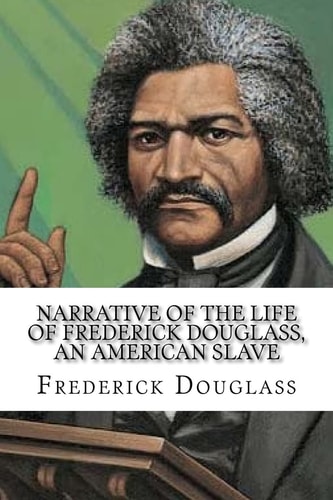
CreateSpace Independent Publishing Platform
2018

Independently Published
2017
Independently Published
2017

CreateSpace Independent Publishing Platform
2017
CreateSpace Independent Publishing Platform
2017
Quarto Publishing Group USA
2017

CreateSpace Independent Publishing Platform
2017
Yale University Press
2016
CreateSpace Independent Publishing Platform
2016
Random House
2015
Random House Publishing Services
2014
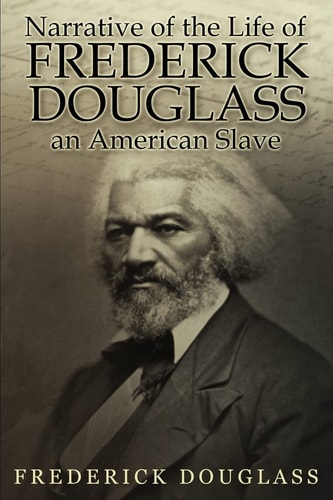
CreateSpace Independent Publishing Platform
2014
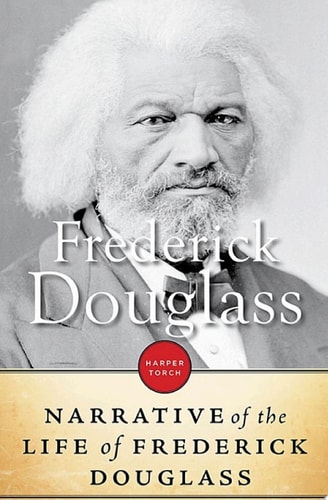
HarperCollins
2014
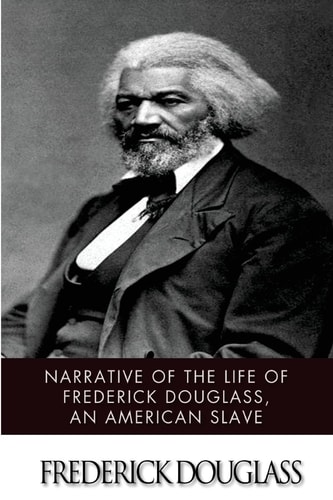
CreateSpace Independent Publishing Platform
2014

Penguin US
2014
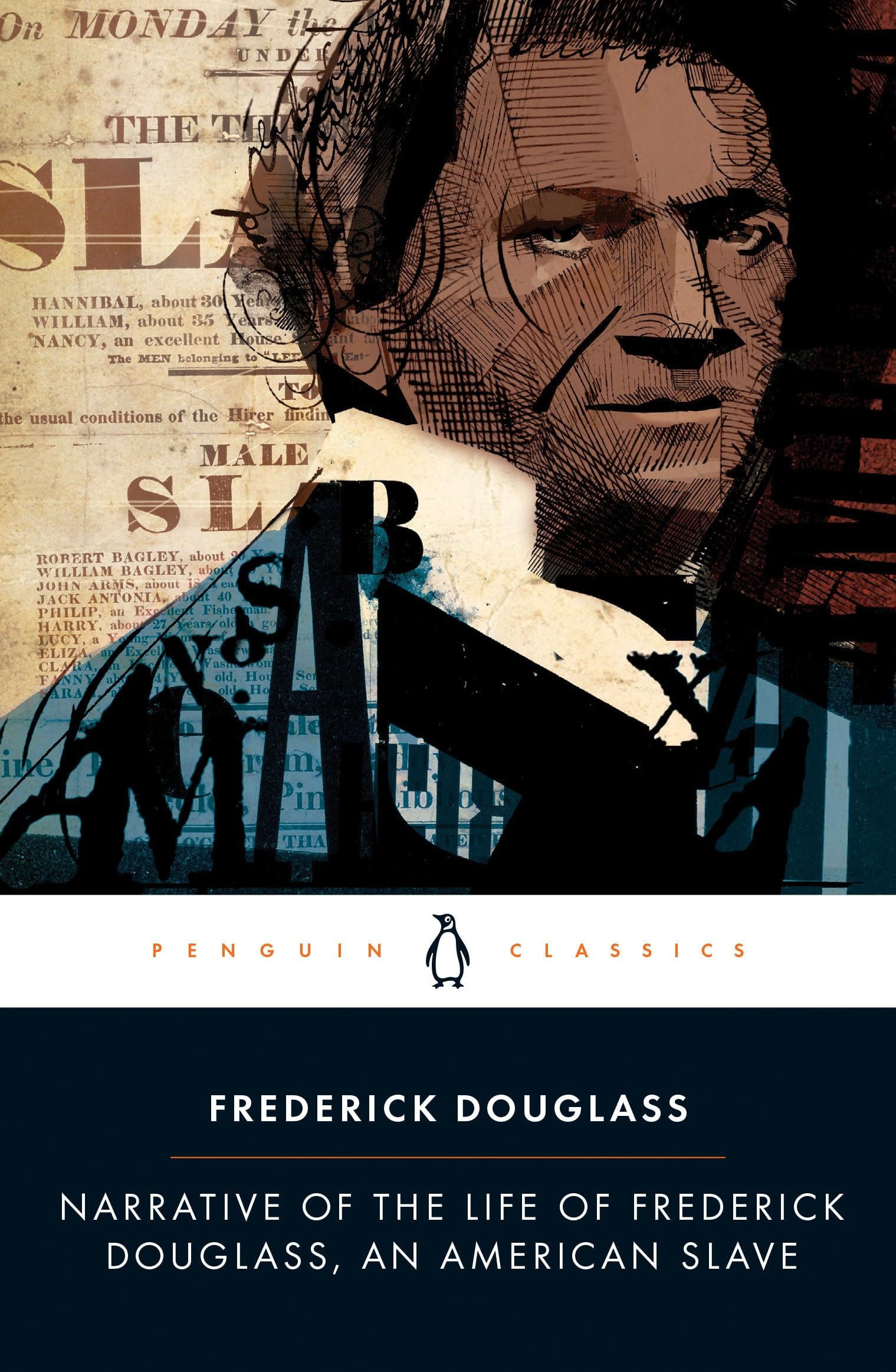
Penguin
2014
First Avenue Editions, a division of Lerner Publishing Group
2014

CreateSpace Independent Publishing Platform
2014

CreateSpace Independent Publishing Platform
2013
Simon & Brown
2012
DIGIREADS.COM
2012
Nabu Press
2010
Oxford University Press
2009

Penguin USA, Inc.
2009
Casavaria
2008

Ebsco Publishing
2008
Wilder Publications
2008
Tantor Audio
2005
Barnes & Noble Classics
2005

Afchron.Com
2005

Perfection Learning Corporation
2005

Signet Classics
2004
Barnes & Noble Classics
2003
Yale University Press
2001
Oxford University Press Academic UK
1999
Bedford Books of St. Martin's Press
1993

Pearson Education, Limited
1986

Penguin Books
1982

Amereon Limited
1976
Signet
1968
Similar Books

Reader Comments
Share Your Thoughts
No comments yet. Be the first to share your thoughts!