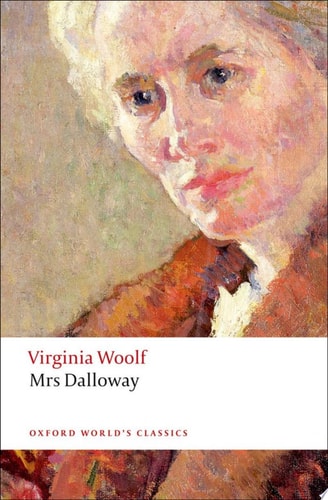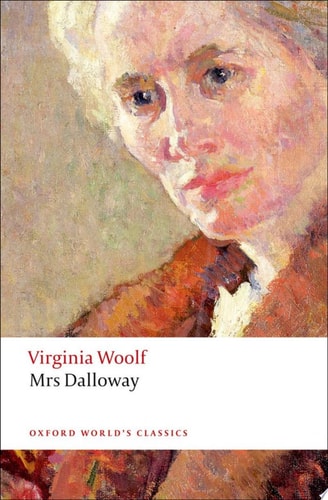
Mrs. Dalloway
0
0
As an Amazon Associate and affiliate partner, Menrva Books earns from qualifying purchases. Learn more
Author Description
'Fear no more the heat of the sun.' Mrs Dalloway, Virginia Woolf's fourth novel, offers the reader an impression of a single June day in London in 1923. Clarissa Dalloway, the wife of a Conservative member of parliament, is preparing to give an evening party, while the shell-shocked Septimus Warren Smith hears the birds in Regent's Park chattering in Greek. There seems to be nothing, except perhaps London, to link Clarissa and Septimus. She is middle-aged and prosperous, with a sheltered happy life behind her; Smith is young, poor, and driven to hatred of himself and the whole human race. Yet both share a terror of existence, and sense the pull of death. The world of Mrs Dalloway is evoked in Woolf's famous stream of consciousness style, in a lyrical and haunting language which has made this, from its publication in 1925, one of her most popular novels.
Menrva's Summary
THE PULSE
Clarissa Dalloway’s preparations for an evening party are interrupted by the encroaching shadows of memory and the tragic decline of a shell-shocked veteran. Clarissa navigates the social obligations of post-war London, attempting to maintain a facade of composure while reflecting on the choices that shaped her life. Simultaneously, Septimus Warren Smith struggles with the psychological trauma of the Great War, his internal reality clashing violently with the external world. The narrative utilizes a non-linear, stream-of-consciousness framework to weave together the disparate experiences of these two characters, highlighting the fragility of the human psyche within a rigid social structure.
INSIDE THE PAGES
- Stream-of-consciousness narrative technique
- Non-linear temporal structure spanning a single day
- Multiple shifting perspectives between characters
- Exploration of post-war trauma and shell shock
- Detailed sensory descriptions of 1920s London
- Intertwining themes of social status and existential dread
- Lyrical prose style emphasizing internal monologue
- Symbolic use of urban settings like Regent's Park
THE COLLECTIVE ECHO
Discussion often centers on Woolf’s innovative use of interiority to bridge the gap between the mundane and the profound. Readers frequently highlight the stark contrast between Clarissa’s social performance and Septimus’s fractured mental state as a commentary on the limitations of post-war society. Critics often analyze the novel’s rhythmic pacing, which mimics the fluid nature of human thought rather than traditional plot progression. The work remains a primary subject of study for its ability to evoke atmosphere through impressionistic language. Many readers find the exploration of mortality and the passage of time to be the most resonant elements of the text.
Page Count:
1
Publication Date:
2012-01-01
Publisher:
OXFORD
ISBN-10:
0199536007
ISBN-13:
9780199536009
Literary Fiction
Classics
First loves
London England
Modernism
Married Women
Regret
Parties
Psychological
Community Tags
Similar Books