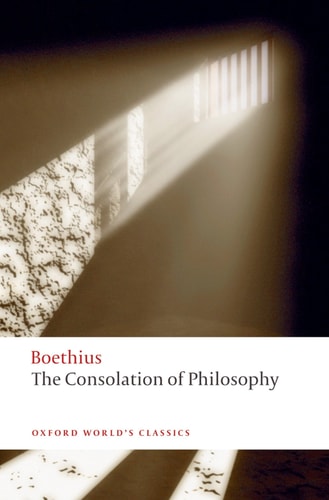
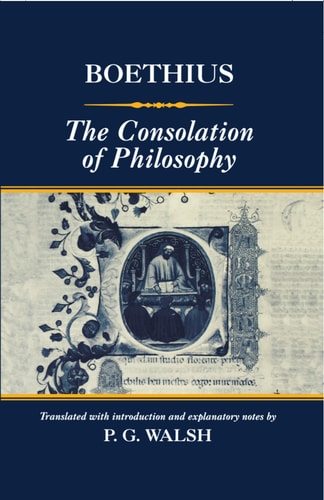
The Consolation of Philosophy
0
0
As an Amazon Associate and affiliate partner, Menrva Books earns from qualifying purchases. Learn more
Author Description
Boethius composed De Consolation Philosophiae in the sixth century A.D. while awaiting death by torture, condemned on a charge of plotting against Gothic rule, which he protested as manifestly unjust. Though a Christian, Boethius details the true end of life as the soul's knowledge of God, and consoles himself with the tenets of Greek philosophy, not with Christian precepts.Written in a form called Meippean Satire that alternates between prose and verse, Boethius' work often consists of a story told by Ovid or Horace to illustrate the philosophy being expounded. The Consolation of Philosophy dominated the intellectual world of the Middle Ages; it inspired writers as diverse Thomas Aquinas, Jean de Meun, and Dante. In England it was rendered into Old English by Alfred the Great, into Middle English by Geoffrey Chaucer, and later Queen Elizabeth I made her own translation. The circumstances of composition, the heroic demeanor of the author, and the Meippean texture of part prose, part verse have been a fascination for students of philosophy, literature, and religion ever since.About the Series: For over 100 years Oxford World's Classics has made available the broadest spectrum of literature from around the globe. Each affordable volume reflects Oxford's commitment to scholarship, providing the most accurate text plus a wealth of other valuable features, including expert introductions by leading authorities, voluminous notes to clarify the text, up-to-date bibliographies for further study, and much more.
Menrva's Summary
THE THESIS
Boethius investigates the nature of human suffering and the pursuit of true happiness through the lens of classical philosophy while facing his own impending execution. The author, a high-ranking Roman official and Christian, utilizes the framework of Menippean satire to reconcile his dire circumstances with the tenets of Greek thought. By engaging in a dialogue with Lady Philosophy, he argues that the soul's ultimate objective is the knowledge of God, independent of worldly fortune or political injustice.
THE SCOPE MAP
What You Will Find
- A synthesis of Neoplatonic and Stoic philosophical arguments regarding the nature of fortune and providence.
- The use of Menippean satire, alternating between prose reflections and poetic interludes.
- Historical context regarding the political instability of the sixth-century Roman world under Gothic rule.
- An exploration of theodicy and the problem of evil in a world governed by a divine order.
THE AUTHORITY PERSPECTIVE
Scholars and historians recognize this work as a foundational text that bridged the intellectual gap between the classical era and the Middle Ages. Readers frequently note the philosophical density of the prose, which remains a primary subject of study for those interested in the history of Western thought.
Page Count:
171
Publication Date:
2008-10-15
Publisher:
Oxford University Press
ISBN-10:
0199540543
ISBN-13:
9780199540549
Religion
Philosophy
Classics
History
History & Surveys
Happiness
Philosophy & Religion
Community Tags
Other Editions(40)
Repro India Limited
2025
Default edition
Open Road Integrated Media, Inc.
2023

Standard Ebooks
2023
Canon Press
2023
Independent Publishers Group (Chicago Review Press)
2022
East India Publishing Company
2022
East India Publishing Company
2022
Capitol Christian Distribution
2021
Independently published
2021

Lulu.com
2019
IndoEuropeanPublishing.com
2019
Naxos and Blackstone Audio
2019
Amazon Digital Services LLC - KDP Print US
2019
Naxos and Blackstone Audio
2019
Perennial Press
2018
Digireads.com Publishing
2018
CreateSpace Independent Publishing Platform
2017

Independently Published
2017

CreateSpace Independent Publishing Platform
2017
CreateSpace Independent Publishing Platform
2016
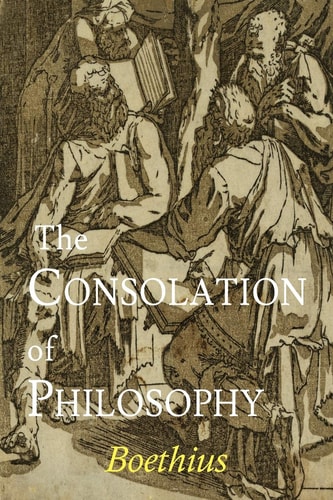
Martino Fine Books
2016
CreateSpace Independent Publishing Platform
2015
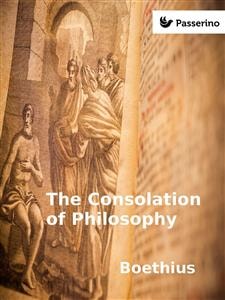
Passerino Editore
2015
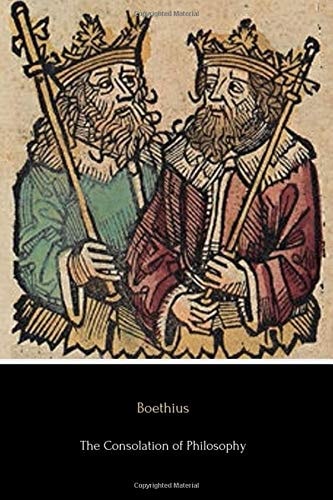
CreateSpace Independent Publishing Platform
2014
CreateSpace Independent Publishing Platform
2014

CreateSpace Independent Publishing Platform
2014
Aziloth Books
2013
CreateSpace Independent Publishing Platform
2013
CreateSpace Independent Publishing Platform
2012
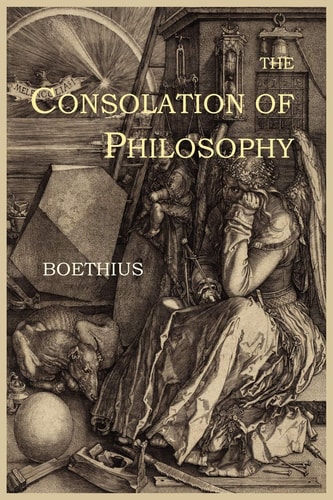
Martino Fine Books
2011
Oxford University Press
2008
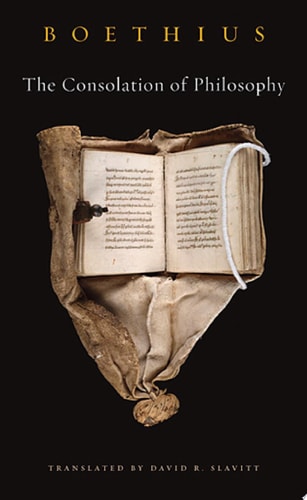
Harvard University Press
2008
World Publications Group
2008

Filiquarian Publishing, LLC
2007
Digireads.com
2007
IndyPublish.com
2006
Barnes & Noble Books
2005
Oxford University Press
2000
Oxford University Press Academic UK
1999
Clarendon Press
1999
Similar Books
Reader Comments
Share Your Thoughts
No comments yet. Be the first to share your thoughts!