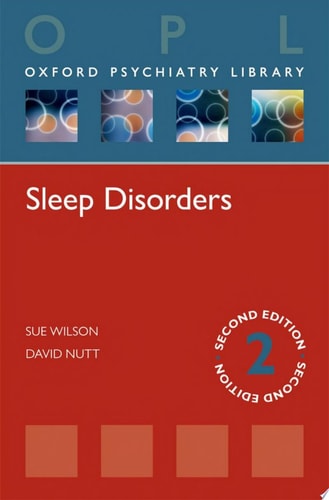
Sleep Disorders
0
0
As an Amazon Associate and affiliate partner, Menrva Books earns from qualifying purchases. Learn more
Author Description
Sleep dysfunction is one of the primary symptoms reported by patients with psychiatric disorders, and specifically those suffering from anxiety and depressive disorders. Conversely, primary insomnia and other sleep disorders produce symptoms of mood disturbance that are quite similar to those reported by patients with psychiatric disorders. Because of this overlap in the symptoms and treatments for insomnias and psychiatric disorders, it is important for clinicians to be able to accurately identify the root cause of sleep dysfunction in individual patients in order to optimize treatment.Part of the Oxford Psychiatry Library series, Sleep Disorders provides clinicians with an overview of current understanding of sleep physiology, the pathophysiology of sleep disturbance, and the diagnosis and treatment of sleep disorders. This second edition includes new sections covering sleep problems in children, sleep in the elderly, and sleep in pregnancy and menopause, as well as new algorithms from the British Association of Psychopharmacology's (BAP's) new Consensus Guidelines on the management of sleep disorders.
Menrva's Summary
THE THESIS
This text investigates the complex bidirectional relationship between sleep dysfunction and psychiatric conditions to improve diagnostic accuracy and treatment efficacy. Authors David Nutt and Sue Wilson leverage their clinical expertise to synthesize current physiological research and pharmacological guidelines. The book provides a structured framework for clinicians to differentiate between primary sleep disorders and sleep disturbances secondary to anxiety or depressive disorders. By integrating updated clinical algorithms, the authors offer a practical guide for managing patient care across diverse demographics.
THE SCOPE MAP
What You Will Find
- Comprehensive overview of sleep physiology and the pathophysiology of sleep disturbance.
- Clinical diagnostic criteria for primary insomnia and related sleep disorders.
- Evidence-based treatment protocols derived from the British Association of Psychopharmacology guidelines.
- Specialized sections addressing sleep issues in children, the elderly, pregnant individuals, and those experiencing menopause.
THE AUTHORITY PERSPECTIVE
Experts recognize this volume as a foundational clinical resource for practitioners navigating the overlap between psychiatric symptoms and sleep pathology. Readers frequently note the clarity of the provided algorithms and the utility of the updated guidelines for daily practice.
Page Count:
120
Publication Date:
2013-12-01
Publisher:
Oxford University Press
ISBN-10:
0199674558
ISBN-13:
9780199674558
Mental Health
Medicine
Categories
Psychiatry
Kindle Store
Kindle eBooks
Community Tags
Other Editions(5)

Similar Books














Reader Comments
Share Your Thoughts
No comments yet. Be the first to share your thoughts!