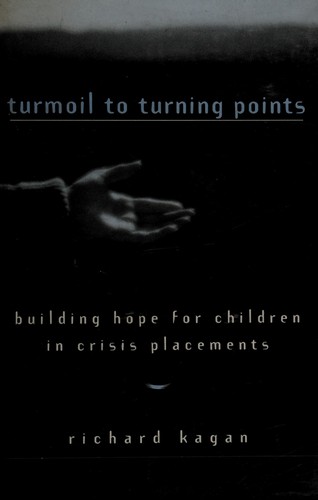
Turmoil to Turning Points
0
0
As an Amazon Associate and affiliate partner, Menrva Books earns from qualifying purchases. Learn more
Author Description
Speaking from the trenches, Richard Kagan offers hope to all those who want to help high-risk children and their families. Turmoil to Turning Points discusses principles and strategies that practitioners can use to guide their work. These include engaging parents of children in placement, mapping family resources, identifying split messages children hear from their family and understanding their ensuing struggle, developing centering messages to link the children with their family, mobilizing supportive networks and creating safety plans, fostering attachments, and making visits and review conferences constructive times for change. Dr. Kagan stresses that permanency work begins with respect for a family's strengths and struggles to survive. However, since not every family is destined to live "happily ever after," he discusses back-up plans for children who cannot go back home. The book closes with a look at what can be done to improve child and family services, how we can make the system work for children, families, and our communities, and how practitioners can touch a family's pain without becoming traumatized themselves.
Menrva's Summary
THE THESIS
This book offers practical strategies for professionals working with high-risk children and their families, emphasizing respect for family strengths while acknowledging the need for alternative plans when reunification is not possible. Richard Kagan, drawing from his experience, presents principles and techniques for engaging parents, mapping family resources, and developing communication strategies to support children. The book details methods for mobilizing support networks, fostering attachments, and making critical meetings productive. It also addresses the complexities of permanency work and concludes with recommendations for systemic improvement and practitioner self-care.
THE SCOPE MAP
- Strategies for engaging parents of children in placement.
- Methods for mapping family resources and identifying strengths.
- Techniques for understanding children's struggles with split family messages.
- Developing 'centering messages' to connect children with their families.
- Mobilizing supportive networks and creating safety plans.
- Fostering attachments and making visits constructive.
- Addressing back-up plans for children unable to return home.
- Recommendations for improving child and family services and practitioner well-being.
THE AUTHORITY PERSPECTIVE
The book is presented as a practical guide for professionals in child welfare, offering actionable principles and strategies. It emphasizes a strengths-based approach to family work while realistically addressing situations where reunification is not feasible. The content focuses on engagement, resource mapping, communication, and support systems, aiming to improve outcomes for children and families. The work also includes considerations for systemic improvements and the emotional resilience of practitioners.
Page Count:
270
Publication Date:
1996-01-01
ISBN-10:
0393702189
Self-help
Health
Non-Fiction
Social Work
Family Services
Professional Development
Child Welfare
Community Tags
Similar Books