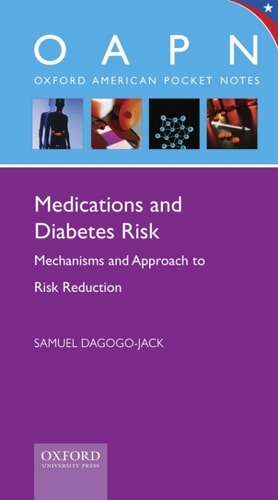
Medications and Diabetes Risk: Mechanisms and Approach to Risk Reduction
0
0
As an Amazon Associate and affiliate partner, Menrva Books earns from qualifying purchases. Learn more
Author Description
More than 23 million Americans currently have diabetes and approximately 54 million have pre-diabetes. People with diabetes often also require medications for several co-morbid conditions (including hypertension, dyslipidemia, depression, heart disease, pain syndromes). Yet, a vast literature abounds on the potential adverse effects of numerous medications on glucose metabolism. Thus, genuine clinical concern exists that certain medications used for treatment of co-morbid conditions and other indications (such as hormone replacement, contraception, infections) might worsen glycemic control in diabetic patients or trigger diabetes in others. These concerns influence therapeutic decisions in a manner that sometimes emphasizes avoidance of possible dysglycemia over effective control of the co-morbid conditions. The same concerns may also weigh against the otherwise appropriate use of necessary medications. The purpose of this concise book is to provide clinicians with actionable knowledge regarding the effects of various medications on glucose regulation and diabetes risk. Beginning with a brief overview of diabetes pathophysiology, the different drugs have been organized by class, and the scientific evidence for the diabetes risk and possible mechanisms have been presented for each drug. The agents discussed include widely prescribed medication classes: antibiotics, antidepressants, antihypertensives, bronchodilators, estrogens and oral contraceptives, glucocorticoids, lipid-lowering agents, NSAIDs, and thyroid hormone. Although less widely prescribed than the foregoing list, atypical antipsychotics, HIV antiretrovirals, immunomodulatory agents, and human growth hormone, have also been included because of the interest generated by their link to diabetes risk. In addition to medications used in ambulatory practice, this work includes a discussion of total parenteral nutrition (TPN)-induced hyperglycemia, which is associated with increased morbidity and mortality among
Menrva's Summary
THE THESIS
This book investigates the clinical correlation between commonly prescribed non-diabetic medications and the subsequent risk of developing dysglycemia or worsening existing diabetes. Dr. Samuel Dagogo-Jack, a recognized expert in endocrinology, synthesizes current scientific literature to provide a framework for clinicians navigating the trade-offs between treating co-morbidities and maintaining glycemic control. The text evaluates the physiological mechanisms by which various drug classes influence glucose metabolism, offering evidence-based guidance for therapeutic decision-making in ambulatory and clinical settings.
THE SCOPE MAP
What You Will Find
- Comprehensive analysis of drug classes including antibiotics, antidepressants, antihypertensives, and glucocorticoids.
- Examination of specialized agents such as atypical antipsychotics, HIV antiretrovirals, and immunomodulatory drugs.
- Clinical methodology for assessing the risk-benefit ratio of medications in patients with pre-diabetes or established diabetes.
- Review of pathophysiology related to drug-induced hyperglycemia and total parenteral nutrition (TPN) complications.
THE AUTHORITY PERSPECTIVE
Clinicians and medical students frequently cite this text as a practical, high-yield resource for managing complex patients with multiple co-morbidities. Experts highlight the book's utility in providing clear, actionable insights that bridge the gap between pharmacological research and daily bedside practice.
Page Count:
112
Publication Date:
2011-01-01
Publisher:
Oxford University Press
ISBN-10:
0199749558
ISBN-13:
9780199749553
Endocrinology
Clinical Reference
Diabetes
Medical
Allied Health
Pharmacology
Community Tags
Other Editions(2)

Similar Books
Reader Comments
Share Your Thoughts
No comments yet. Be the first to share your thoughts!