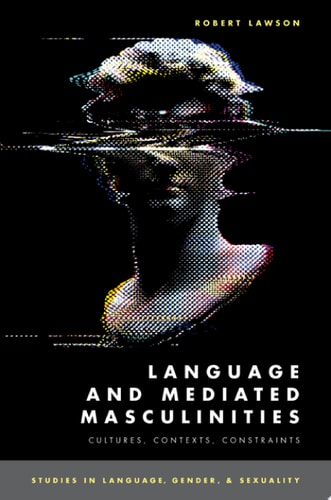
Language and Mediated Masculinities: Cultures, Contexts, Constraints
0
0
As an Amazon Associate and affiliate partner, Menrva Books earns from qualifying purchases. Learn more
Author Description
From television shows to the manosphere, and from alt-right communities to fatherhood forums, debates about masculinity have come to dominate the media landscape. What does it mean to be a man in contemporary society? How is masculinity constituted in different media spaces? This growing cultural tension around masculinities has been discussed and analyzed both for general audiences and in burgeoning academic scholarship. What has been typically overlooked, however, is the role that language plays in these mediated performances of masculinity.In Language and Mediated Masculinities, Robert Lawson draws on data from newspapers, social media sites, television programs, and online forums to explore language and masculinities across a range of media contexts. The book offers a critical evaluation of the intersection between language, masculinities, and identities in contemporary society and addresses three key questions: How are masculinities constructed, in both public and private spheres, through linguistic and discursive strategies? How does language about masculinity and men affect (and recreate) gender ideologies in different social, political, and historical contexts? What might the language of men tell us about the state of contemporary gender relations in the twenty-first century? Lawson furthers our understanding of how language is implicated in (re)creating gender ideologies and how it shapes contemporary gender relations. Against a cultural backdrop of rising neoliberalism, ethnic nationalism, online radicalization, networked misogyny, and fractious gender relations, this book is an important contribution to charting how language is used to monitor, evaluate, and police masculinities in online and offline spaces.
Menrva's Summary
THE THESIS
This book investigates how language functions as a primary mechanism for constructing, maintaining, and policing masculine identities within contemporary mediated environments. Robert B. Lawson, a scholar in sociolinguistics, utilizes a multidisciplinary framework to analyze how discursive strategies in both public and private media spheres reinforce or challenge existing gender ideologies. By examining the intersection of linguistics and digital culture, the author argues that language is not merely a reflection of gender relations but an active tool in their ongoing formation and regulation.
THE SCOPE MAP
What You Will Find
- Analysis of linguistic patterns in newspapers, television, and social media platforms
- Examination of discourse within online forums, including fatherhood groups and radicalized communities
- Application of sociolinguistic methodologies to the study of gender performance
Scope Limits
- Does not provide a comprehensive history of masculinity outside of mediated contexts
- Does not offer prescriptive solutions for resolving contemporary gender conflicts
THE AUTHORITY PERSPECTIVE
Scholars in the field of sociolinguistics recognize this work as a significant contribution to the study of gendered discourse in digital spaces. Readers frequently note the academic density of the prose, which is well-suited for researchers and students interested in the intersection of language and cultural politics.
Page Count:
326
Publication Date:
2023-01-24
Publisher:
Oxford University Press
ISBN-10:
019008104X
ISBN-13:
9780190081041
Sociology
Communication
Gender Studies
Media Studies
Community Tags
Similar Books