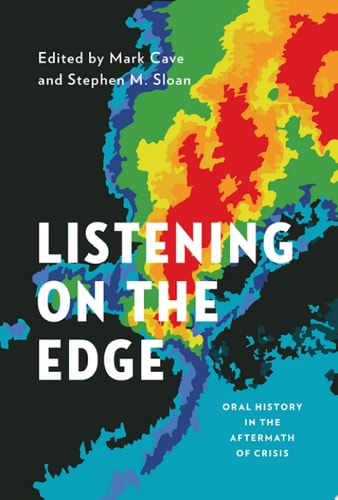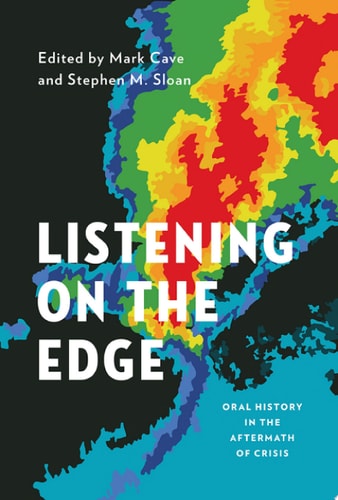
Listening on the Edge: Oral History in the Aftermath of Crisis
0
0
As an Amazon Associate and affiliate partner, Menrva Books earns from qualifying purchases. Learn more
Author Description
From the headlines of local newspapers to the coverage of major media outlets, scenes of war, natural disaster, political revolution and ethnic repression greet readers and viewers at every turn. What we often fail to grasp, however, despite numerous treatments of events is the deep meaning and broader significance of crisis and disaster. The complexity and texture of these situations are most evident in the broader personal stories of those whom the events impact most intimately. Oral history, with its focus on listening and collaborative creation with participants, has emerged as a forceful approach to exploring the human experience of crisis.Despite the recent growth of crisis oral history fieldwork, there has been little formal discussion of the process and meaning of utilizing oral history in these environments. Oral history research takes on special dimensions when working in highly charged situations often in close proximity to traumatic events. The emergent inclination for oral historians to respond to document crisis calls for a shared conversation among scholars as to what we have learned from crisis work so far. This dialogue, at the heart of this collection of oral history excerpts and essays, reveals new layers of the work of the oral historian. From the perspective of crisis and disaster oral history, the book addresses both the ways in which we think about the craft of oral hsitory, and the manner in which we use it.The book presents excerpts from oral histories done after twelve world crises, followed by critical analyses by the interviewers. Additional analytical chapters set the interviews in the contexts of pyschoanalysis and oral history methodology.
Menrva's Summary
THE THESIS
This book investigates the methodological and ethical challenges inherent in conducting oral history research within the immediate aftermath of traumatic global crises. Editors Mark Cave and Stephen M. Sloan curate a collection of essays and interviews that examine how oral history serves as a tool for capturing the human experience of disaster. By synthesizing personal narratives with scholarly analysis, the authors argue that crisis-based fieldwork requires a specialized approach that balances empathetic listening with rigorous academic documentation. The text serves as a foundational dialogue for researchers navigating the complexities of interviewing survivors of war, natural disasters, and political upheaval.
THE SCOPE MAP
What You Will Find
- Twelve distinct case studies covering global crises including war, natural disaster, and political revolution.
- Methodological frameworks for conducting interviews in high-stress, post-traumatic environments.
- Analytical chapters integrating psychoanalytic theory with traditional oral history practices.
- Critical reflections on the collaborative nature of memory and the role of the interviewer in crisis settings.
THE AUTHORITY PERSPECTIVE
Scholars and practitioners in the field of oral history identify this collection as a critical resource for understanding the nuances of crisis-based fieldwork. Readers frequently note the academic density of the prose, which provides both practical guidance and theoretical depth for researchers working in sensitive environments.
Page Count:
312
Publication Date:
2014-05-01
Publisher:
Oxford University Press
ISBN-10:
0199859310
ISBN-13:
9780199859313
History
Research
Methodology
Disasters
Memory
Special Topics
Sociology
Oral History
Psychic Trauma
Community Tags
Similar Books