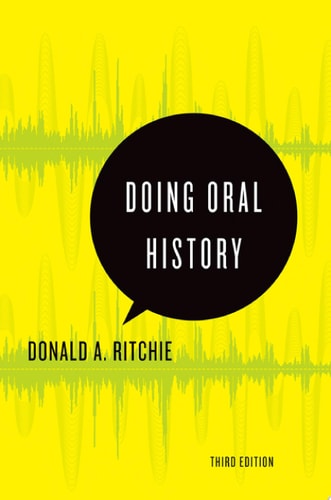
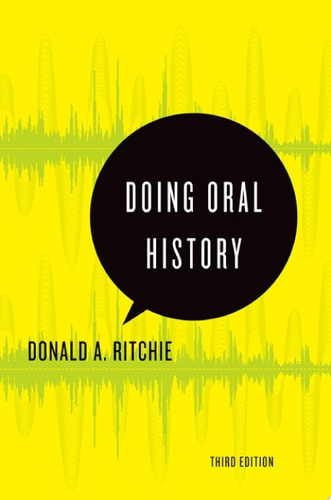
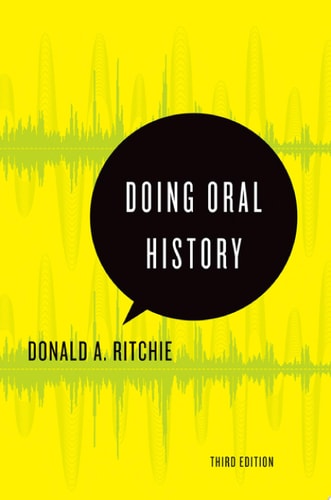
Doing Oral History: A Practical Guide
0
0
As an Amazon Associate and affiliate partner, Menrva Books earns from qualifying purchases. Learn more
Author Description
Doing Oral History is considered the premier guidebook to oral history, used by professional oral historians, public historians, archivists, and genealogists as a core text in college courses and throughout the public history community. Over the past decades, the development of digital audio and video recording technology has continued to alter the practice of oral history, making it even easier to produce quality recordings and to disseminate them on the Internet. This basic manual offers detailed advice on setting up an oral history project, conducting interviews, making video recordings, preserving oral history collections in archives and libraries, and teaching and presenting oral history.Using the existing Q&A format, the third edition asks new questions and augments previous answers with new material, particularly in these areas:1. Technology: As before, the book avoids recommending specific equipment, but weighs the merits of the types of technology available for audio and video recording, transcription, preservation, and dissemination. Information about web sites is expanded, and more discussion is provided about how other oral history projects have posted their interviews online.2. Teaching: The new edition addresses the use of oral history in online teaching. It also expands the discussion of Institutional Review Boards (IRBs) with the latest information about compliance issues.3. Presentation: Once interviews have been conducted, there are many opportunities for creative presentation. There is much new material available on innovative forms of presentation developed over the last decade, including interpretive dance and other public performances.4. Legal considerations: The recent Boston College case, in which the courts have ruled that Irish police should have access to sealed oral history transcripts, has re-focused attention on the problems of protecting donor restrictions. The new edition offers case studies from the past decade.5. Theory and Memory:
Menrva's Summary
THE THESIS
How can practitioners effectively design, conduct, and preserve oral history projects in an era of rapidly evolving digital technology and complex legal landscapes? Donald A. Ritchie, a veteran historian, provides a comprehensive framework for navigating the technical, ethical, and pedagogical challenges inherent in capturing personal narratives. The text synthesizes decades of professional experience to offer a structured approach for archivists, educators, and researchers seeking to maintain high standards of documentation and public presentation.
THE SCOPE MAP
What You Will Find
- Technical guidance on selecting audio and video recording equipment and digital preservation strategies.
- Methodological frameworks for conducting interviews and managing Institutional Review Board compliance.
- Case studies examining legal precedents regarding donor restrictions and transcript confidentiality.
- Pedagogical strategies for integrating oral history into online curricula and creative public performances.
THE AUTHORITY PERSPECTIVE
Experts and practitioners widely recognize this work as a foundational text for the field of oral history. Readers frequently note the clarity of the Q&A format, which makes complex legal and technical information accessible to both students and professional historians.
Page Count:
347
Publication Date:
2014-10-17
Publisher:
Oxford University Press
ISBN-10:
0199329338
ISBN-13:
9780199329335
Non-Fiction
History
Methodology
Reference
Oral History
Community Tags
Other Editions(3)

Similar Books
Reader Comments
Share Your Thoughts
No comments yet. Be the first to share your thoughts!