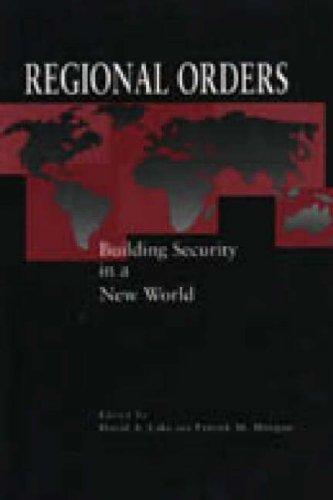
Regional Orders
0
0
As an Amazon Associate and affiliate partner, Menrva Books earns from qualifying purchases. Learn more
Author Description
Conflict among nations for forty-five years after World War II was dominated by the major bipolar struggle between the United States and the Soviet Union. With the end of the Cold War, states in differing regions of the world are taking their affairs more into their own hands and working out new arrangements for security that best suit their needs. This trend toward new "regional orders" is the subject of this book, which seeks both to document the emergence and strengthening of these new regional arrangements and to show how international relations theory needs to be modified to take adequate account of their salience in the world today. The editors conclude that, in the new world of regional orders, the quest for universal principles of foreign policy by great powers like the United States is chimerical and dangerous. Regional orders differ, and policy must accommodate these differences if it is to succeed.
Menrva's Summary
THE THESIS
The end of the Cold War has ushered in a new era of regional autonomy in international affairs. This book examines the rise of distinct regional orders as states increasingly manage their own security and foreign policy needs, moving away from the bipolar dominance of the US and Soviet Union. It argues that international relations theory must adapt to recognize the significance of these emergent regional arrangements. The editors contend that great powers pursuing universal foreign policy principles in this new landscape are misguided and that successful policy requires acknowledging and accommodating regional differences.
THE SCOPE MAP
- Analysis of the shift from bipolar superpower conflict to multi-polar regional arrangements post-Cold War.
- Documentation of the emergence and strengthening of new regional security orders.
- Critique of international relations theory's need for modification to account for regionalism.
- Argument against the efficacy of universal foreign policy principles for great powers.
- Emphasis on the necessity of accommodating diverse regional needs and arrangements for successful foreign policy.
THE AUTHORITY PERSPECTIVE
This book analyzes the significant trend of states taking greater control of their foreign affairs and security arrangements in the post-Cold War era. It documents the rise of regional orders and argues for a necessary revision of international relations theory to incorporate their salience. The editors conclude that attempts by great powers to impose universal foreign policy principles are unrealistic and potentially dangerous in a world characterized by diverse regional needs. The work suggests that successful international engagement requires a nuanced understanding and accommodation of these distinct regional dynamics.
Page Count:
406
Publication Date:
1997-01-01
ISBN-10:
0271017031
History
Politics
Non-Fiction
International relations
Community Tags
Similar Books