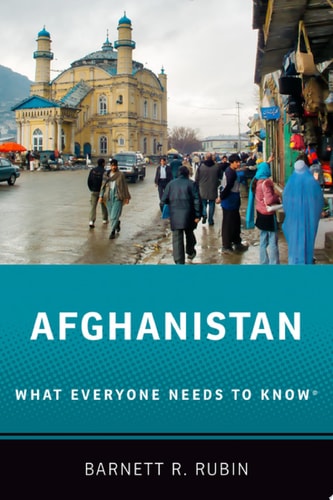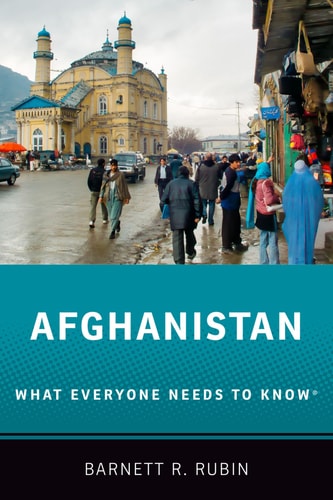
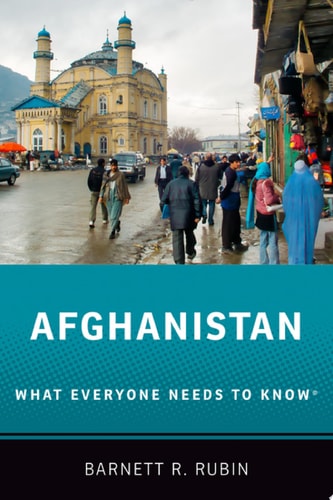
Afghanistan: What Everyone Needs to Know
0
0
As an Amazon Associate and affiliate partner, Menrva Books earns from qualifying purchases. Learn more
Author Description
Afghanistan, a landlocked country in Central Asia, has improbably been at the center of international geopolitics for four decades. After the Soviet Union invaded in 1980, Afghanistan descended into an unending conflict that featured at various points most of the world's major powers. In the mid-1990s, the country entered a new phase, when the Taliban took power and imposed order based on a harsh, repressive version of Islamic law. Infamously, the sheltered Osama bin Laden, whose attack on 9/11 Towers ushered in the Global War on Terror, drew tens of thousands of American troops to the country, where they remain today.In Afghanistan: What Everyone Needs to Know®, leading scholar Barnett R. Rubin provides an overview of this complicated nation. After providing a concise history of Afghanistan, he explores the various peoples and cultures of the country and its relations with neighbors like Pakistan and Iran. He also provides an authoritative overview of the conflicts that have plagued the country since the Soviet invasion. Both wide-ranging and pithy, this book explains why Afghanistan matters and what its possible future might look like.
Menrva's Summary
THE THESIS
This book investigates the complex historical, cultural, and geopolitical factors that have positioned Afghanistan at the center of international conflict for over four decades. Barnett R. Rubin, a recognized scholar in the field of South Asian and Central Asian politics, utilizes his extensive academic background and policy experience to synthesize the country's turbulent history. He presents a framework that connects internal tribal dynamics and cultural identity with the external pressures exerted by neighboring states and global powers. The text serves as a foundational analysis for understanding the persistent instability and the strategic importance of the region.
THE SCOPE MAP
What You Will Find
- A historical overview of Afghanistan from the Soviet invasion to the post-9/11 era
- Analysis of the socio-political influence of the Taliban and regional power dynamics
- Examination of diplomatic relations with Pakistan, Iran, and Western nations
Scope Limits
- The text does not provide a minute-by-minute tactical account of military engagements
- It does not offer a comprehensive ethnographic study of every individual ethnic group within the country
THE AUTHORITY PERSPECTIVE
Experts and academics frequently cite this work as a primary resource for those seeking a clear, concise entry point into the complexities of Afghan history. Readers often note the accessibility of the prose despite the dense and multifaceted nature of the geopolitical subject matter.
Page Count:
352
Publication Date:
2020-08-03
Publisher:
Oxford University Press
ISBN-10:
0190496649
ISBN-13:
9780190496647
History
International relations
Geopolitics
Politics & Government
Middle Eastern
Afghanistan history
Community Tags
Other Editions(3)
Similar Books