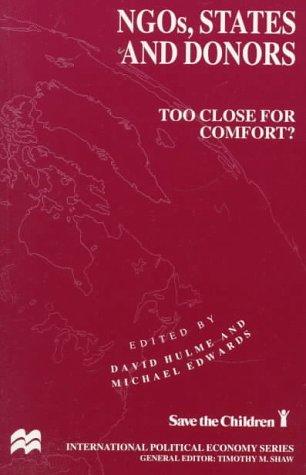
NGOs, States and Donors
0
0
As an Amazon Associate and affiliate partner, Menrva Books earns from qualifying purchases. Learn more
Author Description
This book provides the most detailed study available of the ways in which NGO-state-donor relationships have changed the role that NGOs play in development. The book is introduced by the two leading international experts on the topic, and the contributors are leading academics and senior practitioners. The picture that emerges from the general reviews and detailed case-studies of African, Asian and Latin American NGOs is a complex one. However, the authors conclude that there is much evidence that NGOs are 'losing their roots' - getting closer to donors and governments and more distant from the poor and disempowered whom they seek to assist.
Menrva's Summary
THE THESIS
This book investigates the evolving dynamics between Non-Governmental Organizations (NGOs), states, and donors, and how these shifts impact the role of NGOs in development. The study, introduced by leading experts and featuring contributions from academics and practitioners, examines NGOs across Africa, Asia, and Latin America through general reviews and detailed case studies. It reveals a complex picture where NGOs, in their pursuit of development goals, are increasingly aligning with donor and government agendas. This proximity, however, appears to be creating a distance from the very poor and disempowered populations they aim to serve, suggesting a potential loss of their grassroots connection.
THE SCOPE MAP
- Analysis of the changing relationships between NGOs, states, and donors.
- Detailed case studies of NGOs in African, Asian, and Latin American contexts.
- Examination of the impact of these relationships on the role of NGOs in development.
- Discussion on the potential 'loss of roots' by NGOs, moving away from the poor.
- Contributions from leading international experts and senior practitioners in the field.
- Exploration of the complex picture emerging from general reviews and specific case studies.
THE AUTHORITY PERSPECTIVE
The book presents a complex and critical view of the modern NGO landscape, drawing on extensive case studies and expert analysis. The contributors highlight a significant trend where NGOs are becoming more integrated with state and donor funding structures. This integration, while potentially increasing operational capacity, is critically examined for its effect on the NGOs' original mission to serve the disempowered. The overarching conclusion suggests a concerning detachment from grassroots communities, prompting reflection on the efficacy and direction of international development efforts.
Page Count:
309
Publication Date:
1997-01-01
ISBN-10:
0312161905
Politics
Economics
Non-Fiction
International relations
Community Tags
Similar Books